

Zoltán Hazafi[1] - Dávid Ludányi[2]: Public Law Deregulation and Decentralisation in the Legal Regulation of the Public Service[1] (Publico, 2025/3., 53-76. o.)
https://doi.org/10.32575/ppb.2025.3.4
Abstract
Act CXXV of 2018 on Government Administration (hereinafter: Kit.) brought about a paradigm shift in Hungarian public service law. It has facilitated significant public law deregulation and decentralisation. Although it deliberately dismantled the former career ladder, it has been slow to set up new career paths in its place. Employers have been entrusted with the task of re-regulating their personnel-related activities. Thus, the main criticism of the law is levelled at what it omits. The transformation of the career framework ought to take place in a spirit which is consistent with the legislative objectives of the Kit. To this end, the practice of Anglo-Saxon countries is most worth taking into consideration, so we examined in detail the approaches taken by these countries to manage the risks posed by decentralisation. On the basis of this survey, we have drafted a public service HRM development framework of a longer-term nature which ensures the success of the process. Thus, bodies can benefit from the flexibility resulting from the recent decentralisation and deregulation while also being prepared to manage the related risks. Both these results will ensure high organisational efficiency.
Keywords: public service law, public service reform, Anglo-Saxon model, selection, remuneration, excellence model
- 53/54 -
Introduction
Act CXXV of 2018 on Government Administration (hereinafter: Kit.) has brought about a paradigm shift in Hungarian public service law.[2] It has allowed significant public law deregulation and decentralisation of personnel (in terms of regulations and competence). It has terminated the career-based system - abolishing seniority, classification and merit-based promotion - but it has not established a new personnel system in its place. In accordance with international trends, it would have seemed logical for the legislator to replace the career-based system with a job-scope-based personnel system but it opted not to take that road. It ignored the job-scope-based system to such extent that the Kit. does not even use the term "job scope".[3] At the same time, however, position is the basis of all its pragmatic elements. Job scope is the smallest building block of an organisation, so a lack of job scope reduces the efficiency of organisational functioning.
Kit. is in fact an unfinished law. Although it has consciously dismantled the existing career system, it has been slow to set up a new personnel system in its place. For the lack of anything better, employers were entrusted with the re-regulation of their personnel activities. Thus, the main criticism which can be levelled at the law concerns what was left out of it.
Deficient legislation is creating a civil service landscape in which local status rules with different content are being drawn up by different bodies, legal guarantees are being weakened and, at the same time, the power of employers is being strengthened. As a result, the disadvantages of the transformed system will be experienced first and foremost, while only a few of its benefits in terms of greater flexibility and rapid adaptability will be noticeable. Without modification, the law is likely to be counterproductive and therefore its original objectives will not be achieved. To avoid this, the transformation process started by the Kit. must be completed in a spirit that is consistent with the legislative objectives of the Kit.
The paradigm shift of the Kit.
The main aim of the paradigm shift of the Kit. was to abolish the career-based model in public service in Hungary, and to bring about far-reaching public law deregulation and regulatory decentralisation.[4] It ended legislative level regulation in several areas and referred the necessary decisions and the creation of rules to the employer's competence. Regarding its specific pragmatic elements, this has led to the following more substantial changes.
- 54/55 -
a) Due to deregulation and decentralisation, the regulation competence of employers has increased, which allows for local characteristics. In their public service policy, the government administration bodies have created internal rules on nine subject areas (including the procedure for the establishment, amendment, termination and dissolution of government employment relationship; the prohibition of co- employment and conflicts of interest for government officials; and working time, rest time and leave).[5] In the changed legal environment, organisations are developing their own human resource management (hereinafter: HRM) processes (such as for recruitment, selection, promotion, remuneration, appraisal, development, etc.) autonomously. This is not only an opportunity, but also a constraint, since in the absence of the previous legal standards, human resource management would remain unregulated.
The policy is one of self-regulation on the part of the employer, which generates rights and duties. By accepting an appointment, the provisions of the public service policy are incorporated "automatically" into the content of the legal relationship between the employer and the government official, hence it is important that the policy meets the requirements of good faith and fair dealing and that guarantees of these are provided. In labour law, an internal policy "(like GTC) can be considered 'unfair' if it causes disproportionate harm to the employee(s)".[6]
b) Decentralisation leads to different rules being established for each body. However, deregulation and decentralisation are not values in themselves but merely opportunities to increase organisational performance through greater flexibility. To achieve this improvement, human resource management should be adapted to the changed regulatory paradigm.
The old paradigm centred around rules of law that regulated the status of government officials and the conditions of their employment, i.e. certain HRM processes were developed by organisations within a single legal framework, with the main management expectation regarding the activities of personnel being the implementation of the legal provisions while taking employer measures in accordance with the law. In contrast, the new paradigm is based on applying the relations of the competitive sphere of the market. The human resource management of organisations is expected to fall within the general framework established by the legal standards, but specific individual rules are defined by internal regulations - guidelines - or by an organisation's own code of conduct.[7] In terms of their legal effect, these can also be held accountable, and an employee may even be dismissed for violating them, or a legal dispute may be initiated against the employer. However, internal regulations lack stability and predictability since the employer can change them at any time. If a certain stability and predictability does exist, this is due to the fact that it is in the interest of both the employee and the employer to maintain employment in the long term. This is, nevertheless, not a legal but an economic constraint, which is not applicable in public administration.
- 55/56 -
The main disadvantage of a decentralised regulatory system is that it lacks a unified government personnel policy, as each body independently formulates its own policies on recruitment and selection, remuneration, development, etc. Planning of manpower needs is also done by each body independently. The absence of a centralised personnel policy makes it impossible to prevent the system from becoming atomised. Thus, so-called economies of scale cannot be converted into efficiency gains.
Drawing comparisons in the international arena, it can be seen that countries following the Anglo-Saxon model (i.e. the approach typically taken in English-speaking countries) also face similar problems, thus it is worth examining public service regulation in these countries in detail to identify system-specific solutions to these problems. We do not hide the fact that our intention is to learn from these examples to complete the system left unfinished by the Kit., with the proviso that solutions which were developed in different social, political, public administration environments cannot, naturally, be adopted uncritically or automatically. At the same time, it should not be overlooked either that the objectives of Kit. in many ways resemble those of the Anglo-Saxon model.
Regulation principles of public service in "Anglo-Saxon" countries
In the countries which followed what we will refer to as the Anglo-Saxon model the disadvantages of decentralised functioning became apparent early on, including the prevalence of favouritism in public administration, unfair and disproportionate remuneration and strong organisational fragmentation. The followers of this model therefore not only shared characteristics, but also experienced similar problems.[8] In order to address these individual problems, various proposals were made and government measures were taken. The following section will examine how such measures were intended to redress dysfunctions and to what extent they were compatible with the principles of the system.
a) It should be emphasised that in the Anglo-Saxon model, HRM processes (recruitment and selection, employee replacement policy, career management, performance appraisal, remuneration and incentives) form a single, integrated system based on job evaluation and competency management (the Civil Service Competency Framework).[9]
Traditionally, political neutrality and the primacy of merit have been of great significance in the selection of British civil servants. In order to eliminate favouritism, the Civil Service Commission was set up in 1854 as an independent body, one of the main tasks of which was the selection of civil servants on the basis of open competition examinations.[10] Today its role is to define the principles of the procedures for governing the selection of civil servants,
- 56/57 -
and to govern the operation of the selection system.[11] In 2018 the Civil Service Commission formulated the rules of the selection process which were published as guidelines governing all ministries and agencies.[12]
The members of the Public Service Commission are called Civil Service Commissioners who are appointed by the monarch on the recommendation of the Minister of Public Service (i.e. the Prime Minister). Public service commissioners must meet a number of requirements. These requirements are defined in the Code of Practice for Staff. The regulation imbues the previously mentioned four core values (integrity, fairness, objectivity and impartiality) with special content. At the same time, the regulations regulate the accountability and responsibility issues of the Commission, according to which the Minister of Public Service is ultimately responsible for the independent and efficient operation of the Commission before the Parliament. Members are subject to conflict-of-interest rules, and the rules also address the requirements of integrity and transparency.[13] The Anglo-Saxon understanding of the importance of selection has been aptly characterised by Lajos Lőrincz, as the belief that "an unprepared or ill-prepared civil servant is unable to handle even simple matters, he needs constant help, his mistakes also delay the work of others".[14]
The crucial role of selection is also shown by the fact that it is directly regulated by law and involves a legal relationship.[15] The law defines the principles of selection, among other matters.[16] Pursuant to the provisions of law, selection shall be based on merits and shall take place on the basis of fair and open competition.[17] The guidelines of the Commission stipulate that merit means that the candidate appointed to a position must meet the published requirements, be able to perform accordingly in the role, and be the best among the applicants.[18] According to the principle of fairness, the selection procedure must be unbiased, objective, impartial and consistent.[19] Open competition entails the public advertising of the vacancy on the basis of equal rights, in the framework of which the information necessary to fill the vacancy and the requirements of the tender procedure must be disclosed.[20]
The individual public administration bodies are responsible for developing and managing their selection procedures. The procedures may differ from each other in accordance with the characteristics of the specific vacancy to be filled and if necessary, they must differ significantly. However, common principles and procedural rules should be followed in all cases. Complying with the common rules and assessing the suitability of the candidates is the responsibility
- 57/58 -
of the individual selection panels.[21] A selection panel consists of at least two persons, and is headed by a civil servant or, in the selection of the highest level civil servants, by one of the civil service commissioners.[22] The panel must ensure the impartial (objective and unbiased) assessment of the candidates (i.e. his/her compliance with the conditions of the tender), and the panel must make a decision on the selection of the most suitable candidate.[23] The members of the panel must comply with the rules of conflict of interest,[24] which also strengthen the requirement of impartiality.
In the recruitment process, public administration bodies must publish all relevant information on the nature and level of the position to be filled, the conditions of employment, the selection procedure to be followed and the details of remuneration.[25] The bodies must apply the same procedure to all applicants (unless particular life circumstances require a different procedure). The invitation for applications must be published on a platform and for a period of time that ensures equal access for all applicants.[26]
During the selection process the candidates must be assessed on the basis of their merits, and their personal (friendly, family) contacts must not influence the decision-making.[27] Candidates must comply with the requirements of integrity, fairness, objectivity and impartiality laid down in the Civil Service Code.[28]
The selection procedure is not limited exclusively to the examination of the facts, and usually also involves competitive examinations. The competition may last several days. In the written part, candidates are expected to analyse statistical tables and draw up advice on how to solve a government problem. In the oral part, the candidates have to demonstrate their skills in verbal expression to the required level.[29]
Taking all the facts into account, the selection panel ranks the candidates on the basis of their merits, then according to this it may propose the appointment of the first-ranked candidate.
b) As mentioned earlier, there have been a number of problems and injustices in the public administration salary system. Before reviewing these problems and the responses that have been proposed to them, a brief description of the system of remuneration is necessary.
Due to the particularities of the British civil service system, as indicated above, i.e. the fact that there are not always sources of law that precisely regulate certain aspects of the public service relationship, there are likewise no detailed statutory rules on the salary system.[30] The Civil Service Management Code summarises the most important framework rules, the
- 58/59 -
detailed elaboration of which is delegated to the individual public administration bodies.[31] The Management Code discusses the most important rules under the heading "pay and allowances". The Code calls on organisations to publish their own regulations, typically in the form of a Handbook, and to make them available to all civil servants.[32] It is an important guarantee rule, although the Cabinet Office supervises the drafting and content etc. of the employer-level rules.[33] At the same time, while the organisations are drafting the regulation, the opinion of the Cabinet Office and pre-existing best practices must be taken into account.[34]
Regarding the establishment of pay systems, the Management Code defines the following principles: while creating its own pay system, each public administration body must comply with the requirement to make rational use of public funds, while exercising appropriate financial control, maintaining the flexibility of the remuneration system, and must ensure that there is a close and effective relationship between the performance of civil servants and their remuneration.[35] If a body makes major changes to its pay system, the rules of the latter are to be sent to the Cabinet Office, which must conduct a restructuring business case.[36]
To avoid unjustified income disparities between particular bodies, jobs and civil servants, directives and guidelines are applied for protection. The provisions on equal remuneration of the Equal Opportunities Commission have to be complied with, which are set out in the Code of Practice on Equal Pay of the Commission.[37] The individual bodies are obliged to maintain continuous communication regarding their pay system with the cabinet Office and to provide all the relevant data.[38]
Moreover, the pay system is in a sense also connected to the promotion system. The order of promotion can also be shaped by the bodies. Only general provisions are laid down for them in the Management Code.[39] For example, it stipulates that in connection with promotion and mobility, the employer's decision can only be based on the merits of the civil servant. Special attention should be paid to the suitability of the civil servant to carry out the duties altered in this way. It is also a guiding rule for promotion and mobility that when bodies are designing and developing such schemes, they should follow the rules laid down by the Cabinet Office and act on what has been said in the consultations. The Management Code also requires bodies to have a staff handbook on promotion and mobility. A further requirement is that promotion must take place in line with the selection principles. Experience shows that instead of pay tables, pay ranges and pay bands are used with minimum and maximum levels.[40] In central
- 59/60 -
public administration, five different classifications are most commonly used, within which several job scopes can be distinguished.[41] Remuneration usually takes into consideration the classification system, so in higher categories and in the job scopes within them the pay is correspondingly higher.[42]
It might be no coincidence that the Code of Practice on Equal Pay contains important guarantee rules to promote equal opportunities. As already mentioned, in many cases guidelines and handbooks help to ensure that the rules comply with the legal requirements. Will Hutton's report of 2011, which made various proposals on how public administration bodies could develop a more just remuneration system, can be seen as one such handbook or guideline.
One of the highlights of the report is a proposal to create a so-called Fair Pay Code. According to Hutton, a fair pay system must meet three overarching requirements. Firstly, it should consist of fair and appropriate levels of pay; secondly, when determining salary, employers should establish and follow fair procedures; and thirdly, it should ensure that the requirements of accountability and transparency are met.
The first requirement means that the pay of a senior civil servant must proportionately reflect the contribution of his work to meeting the organisational objectives. The pay should be in line with the characteristics (importance and difficulty) of the post held and the performance of the civil servant. The Code sets out a number of criteria to accurately assess the characteristics of a position. The document includes complexity, which can be assessed in terms of participation in decision-making, the degree of cooperation and interaction involved and the complexity of the task performed. It also mentions the impact of the role on specific resources (such as financial and human resources) and on society (such as public services). Tasks and competences such as decision-making powers, the degree of autonomy in decision-making, and the organisational level of the provision of tasks play an important role. Finally, it addresses the skills and competences of the manager and the knowledge required to perform his tasks. In the context of job performance, the Code states that managers' salaries must reflect their individual performance. The performance-related elements of managers' salaries should be clearly linked to performance, based on the long-term objectives and core functions of the bodies they are employed by. All managers must reach a certain level of performance to be eligible for the full salary. If a manager's performance exceeds the required standard, they may be granted an additional bonus calculated as a percentage of their basic salary. Seniority should be taken into account when differentiating the level of performance-related pay. A variable pay system for managers should be based on thorough performance appraisals.
The second requirement is for pay to be set within a stable framework of criteria, and that decisions on pay grades be based on factual assessment rather than subjective criteria. The pay must be in harmony with the role of the body within public administration and the extent of the pay differential between the senior-level and lower-level officials has to be taken into
- 60/61 -
account. Accordingly, each body should have a formal promotion and pay system that provides predictability for its officials working at all levels of the organisation.
The point of the third requirement is that salaries must also be transparent for citizens. Although Hutton describes these requirements with regard to senior-level staff, in our opinion several partial requirements of these could also be applied equally to the employment relationships of the lower-level staff.[43]
c) Performance appraisals are used to assess the performance of civil servants. A comparative study by EUPAN listed the pragmatic elements that can be linked to performance appraisal.[44] The research examined in detail four of the most frequently encountered elements in performance appraisals: career development, legal instruments linked to poor performance, development, training and remuneration. An interesting question is whether individual Member States prefer to apply these separately or in combination. As it transpires, ten Member States combine the legal instrument under examination with all the areas mentioned. The research shows that in post-/job-based systems it is not common practice to link appraisal to career progression (which is somewhat logical, since in these public service systems there is no real classical notion of career progression). However, it is also interesting to note - although it may seem to follow logically - that in career-based systems it is not common practice to link appraisal to remuneration.
Where appraisal is the basis for promotion, it is worth noting that in most cases it is not taken into account exclusively, but it is one element alongside other factors based upon the merits of the civil servant, which together determine the conditions for progression through the promotion grades.
With regard to poor performance, a large majority of Member States simply apply some form of dismissal or termination of employment in case of poor performance (although the research highlights that the experience of Member States is that in most cases employers do not choose this method of dismissing poorly performing staff). There are also Member States where (disciplinary) sanctions follow poor performance. It is very rare, according to the research, for the focus to be on improvement rather than punishment.[45]
Interestingly, the research barely addresses the relationship between performance appraisals and development in the Member States surveyed, which certainly suggests that there is a generalised lack of focus on individual development in European public service systems at present, although the research has underlined its importance. All that emerges from the authors' study is which Member States use the assessment results for the development of civil servants and which Member States identify (for development purposes) the strengths and weaknesses of civil servants' performance. Concerning the former, a large majority of
- 61/62 -
responding Member States use the information from the evaluation in some way to plan training, while regarding the latter, the response was roughly half in favour and half against.
However, the research shows that more and more Member States are applying performance-related pay systems. The study investigates the ways in which the two legal instruments are linked. These can be direct links with salary, in the form of a performance-related salary component or a salary increase (cumulative in nature; variable according to merit; leading to progression between steps or a lump sum) or indirect (leading to progression between promotion/grading steps). In rare cases, not only positive but also negative salary changes can occur in the practice of some Member States (in addition to the Hungarian civil service, nine other Member States use the result of a performance assessment to change salaries in a "punitive" way). Various approaches have been taken to setting the level of bonus or performance-related pay in the civil services of the different Member States. Bonuses of up to 10 percent of basic salary can be awarded in six of the seventeen Member States responding, bonuses of up to 20 percent in three of them, up to 50 percent in four countries and even bonuses of up to 100 percent (!) in five states.
Of course, as with any comparison, it is difficult to compare the systems exactly. For example, some rules on bonuses cover all employees and some cover only a narrower range of positions. The research also highlights that when analysing the Member States, there are great disparities when it comes to who is responsible for setting the performance-related pay component. In some cases, this is subject to some form of supervisory or higher management control, but it is not uncommon for the appraising manager (who is the immediate superior and usually also the exerciser of the employer's authority) to set the amount. According to the research, a pay-for-performance arrangement entails both fiscal risks (i.e. there may not be enough money in the public purse to pay higher salaries) and the danger that performance may become a subordinate factor, with bonuses or pay elements set in this way becoming a permanent part of the salary/base salary, thus losing their motivational and incentive role over time.[46]
d) No matter which of the legal institutions and systems outlined above is taken as a basis, it is clear that, in addition to principle-level regulation, a major role is assigned to the various commissions and independent central advisory bodies. Their function is primarily to smooth out the differences arising from decentralisation, to provide a form of coordination, to ensure transparency between the various administrative bodies and to promote uniform jurisprudence in accordance with statutory rules. These are not only the characteristics of the civil service in Britain, but are also found in other public service systems following the Anglo-Saxon model. For example, an institution similar to the British Civil Service Commission was established in the United States of America to abolish the political spoils system. In Australia and New Zealand, similar institutions were also set up (1902, 1912). Canada also followed this pattern, with the establishment of the Canadian Civil Service Commission in 1908.[47] However, it is
- 62/63 -
not only in the Anglo-Saxon legal and administrative culture that such institutions are to be found. An example is the Slovak Civil Service Act, which regulates the status of the Civil Service Council[48] (and not the Civil Service Office!). The status of the Council is defined by the Slovak legislator as an autonomous administrative body with independent, coordinating and controlling functions and powers. The Council is therefore not an operational executive agency, but a supervisory authority established to ensure uniformity in the practice of the law, to enforce the principles of the civil service and to enforce the standards of the Code of Ethics for Civil Servants.[49]
Missing elements in the system introduced by Kit.
a) From the practice in the Anglo-Saxon countries, selection and remuneration were highlighted, as these two pragmatic elements play a key role in HRM processes. In addition, it is precisely in these two processes that the regulation deficiencies of Kit. are most evident. Before going into these two processes in detail, it should be emphasised that one of the major deficiencies of the law is that these areas (i.e. recruitment and selection, employee replacement policy, career management, performance appraisal, remuneration and incentives) are not treated as a single integrated system based on job scope evaluation and competence management. The law's failure to do so is mainly because, as noted above, it does not define the concept of job scope and, with that, job scope competences. This is the basis of all HRM processes, without which no integrated system can be developed.
b) Regarding selection conditions, the Kit merely states that - apart from the general statutory requirements - the person exercising the employer's right shall determine the professional conditions for filling the position and to this end he shall take into account the provisions of the government decree.[50] The regulation adds that the requirements of a post must be determined on the basis of the professional composition of the government administration body, the nature of the tasks to be performed by the post holder and in the light of the situation of the local labour market in such a way as to ensure the professional and efficient performance of the tasks to be performed.[51]
The employer is free to decide on their method of selection. A restricted or competitive procedure may be applied. In the case of an open recruitment procedure, an appointment may only be made to a person who applied for the publicly advertised position and who met the conditions originally stipulated.[52] The process of establishing a government employment
- 63/64 -
relationship and the rules of the selection procedure - within the government administration body - must be laid down in the public service regulations.[53]
The above legislation shows that the bodies have been authorised to determine the selection criteria and the selection process. However, it is not possible to define selection criteria in the absence of job scope descriptions. Indeed, if there are no job-scope-specific professional criteria, selection cannot be based on merits, fairness and competition either.
In order to meet the above triple requirement system, it is also necessary to define, centrally, the essential conditions for a merit-based, fair and competitive selection. For example, it would be important to define uniformly which selection methods and techniques satisfy the requirement that the selection process be professionally credible.[54] The individual processes must, in turn, be designed to ensure that the principles of equal opportunities, non-discrimination, professional achievement, fairness and performance are properly enforced.
Although, on the basis of the legislation currently in force, it is also possible for the Personnel Centre to carry out a fair selection procedure at the request of the bodies,[55] this separates the process from the bodies on the one hand, and on the other hand it means that the bodies are not bound by the results of the procedure.[56] This rule fundamentally calls into question the credibility of a procedure thus conducted, as a person may be appointed who is not the most suitable on the basis of the results of the procedure.
c) The salary determination rules of Kit. raise concerns in several areas. As already mentioned, Kit. dismantled the former fixed rules on classification, promotion and remuneration, and granted wide-ranging authorisation to employers instead. The dismantling of some elements of the career system in itself is not objectionable, as several examples can be found internationally of uniform, fixed career rules being replaced by differentiated remuneration, with the new principles mostly being based on job scope competences and performance requirements. The Anglo-Saxon model already described is also characterised by such an approach. The worry is that statutory rules have been dismantled, only to be replaced by ad hoc employer's decisions that carry the inherent risk of arbitrary "discretion".
Determining salaries is a long process and it has several pitfalls. First of all, the Government, upon the minister's proposal in a resolution, defines the posts belonging to the basic staff.[57] Neither the law, nor the related government decree defines the criteria for the preparation of this classification, nor the conditions for the decision itself.[58] Thus, the classification structure of the posts is left to the discretion of the employer. The classification categories determine the salary bands to be applied for each post.[59] This is what actually makes post classification
- 64/65 -
crucial. The classification of posts has a significant impact on individual salaries, as the salary band belonging to each category cannot be exceeded. In other words, the classification of posts draws a distinction between government officials, but this distinction is not related to the nature, quality or quantity of the work performed, the working conditions of the post holder, the necessary qualifications, physical or mental effort required, or the staff member's experience and level of responsibility, nor does it take into account labour market conditions.[60] The situation would be different if posts, or rather job scopes, had to be classified with regard to the task to be performed and the qualifications and competences required to fill them. Currently, however, the employer has to make a decision on these when the Government has already made a decision on determining the basic number of staff and the classification of posts.
Following the decision of the Government, the professional criteria for filling the posts shall be defined. To this end, the professional composition of the government administration body, the nature of the tasks to be performed and the local labour market must be taken into account and it shall be ensured that the tasks to be performed in the post are carried out professionally and efficiently.[61] This provision is quite difficult to interpret for law enforcers since it has logical and content-related flaws. It is not clear what kind of relationships the legislator envisaged between professional composition, the local labour market situation and professional requirements. When enforcing the law, law enforcers are obliged to apply their discretion with regard to certain content elements of the provision.[62] For example, they must deduce creatively how the professional composition of the body and the local labour market situation are related to the professional requirements of a job. Basically, they need to ascertain what the legislator might have had in mind when he defined these aspects. For example, if there is a shortage of a particular professional qualification among an organisation's staff and the local labour market also has a shortage of them, it is necessary to determine what other qualifications could be used as substitutes.
A further issue arises as to what qualifications can be considered by the employer to be equivalent to each other, so they can serve as alternatives. This basically leads to a situation where employers can shape and change professional requirements at their own discretion -even without any rational reasons. In essence, there is only one limit on the arbitrariness of decisions: the employer's common sense. If this is lacking, the legal regulations may even "include" the condition that a high school diploma is required for the highest management positions, while several university degrees may be necessary for the lowest-level positions. This would obviously not be a rational decision, but it would not conflict with the law. Moreover, it could lead to unjustified differences not only between organisations but also within them.
Having designed the classification structure of the posts, the employer must then determine the individual salaries within the salary bands belonging to the classification categories. The only exception to this rule is when a position held by a permanently absent government official is filled on the basis of a fixed-term legal relationship. In this case a salary in the salary band
- 65/66 -
for a classification category that is one lower or one higher than the classification category of the post can also be paid.[63]
However, this provision also raises serious concerns, as it violates the prohibition of discrimination. It discriminates against both permanently absent government officials, and government officials appointed for a fixed term to replace them. In effect, it makes an unjustified distinction between government officials doing the same job on the sole ground of whether they have a fixed-term or indefinite appointment. Under Act CXXV of 2003 on Equal Treatment and the Promotion of Equal Opportunities ("the Equal Treatment Act"), direct discrimination is constituted by a provision which results in a person or group being treated less favourably than another person or group in a comparable situation is, has been or would be treated because his/her actual or perceived employment relationship is fixed term.[64]
The exerciser of the employer's authority shall determine the salary of a government official on the basis of their professional abilities, qualifications, practice and performance.[65] This provision has logical and content-related flaws, similarly to the definition of professional criteria for filling the posts. The regulation lacks any explanation of how professional skills, qualifications, practice and performance assessment shall be taken into account and what procedures should be followed when determining salaries.
On the basis of regulatory principles of the Anglo-Saxon model, this deficiency can be redressed. A fair salary system is one that establishes fair and adequate salary grades, where the employer follows a fair procedure while determining the salary, and where accountability and transparency prevail. Due to deficient regulation, the Kit. does not meet any of these conditions. The amount of salary is fair and adequate if it reflects the proportionate contribution of the job scope to the organisational objectives, the characteristics of the position filled (size and weighting), and individual work performance. Fair procedure means that the salary is determined in a stable framework criteria system, and any decision on salary is based on factual rather than subjective criteria. Finally, accountability and transparency are achieved when the system is both transparent and understandable by citizens.
d) Knowing how government officials feel about seniority, legal guarantees, flexibility and their labour market preferences is important for the planning of the salary system. A recent study we conducted looked at these issues, among other related matters.[66] We sought to answer
- 66/67 -
the question: does seniority continue to exist in a latent way in the bodies covered by the Kit. in terms of remuneration and "grading"?
One of the most significant changes introduced by the Kit. is the abolition of seniority-based grading and salary. At the same time, the Hungarian civil service has been strongly linked to a seniority-based career system, following the Prussian-Austrian model since the 19[th] century. We were therefore curious to see to what extent the culture of the Hungarian civil service is characterised by the need for financial recognition of experience associated with seniority. To this end, we examined whether a correlation between age and salaries could be detected.
As only the salary data for ministries were available, the analysis was carried out only of ministries. The individuals included in the sample were those who were employed in government service, worked full-time, had a tertiary education and spoke at least one foreign language.
The correlation was also examined overall by ministry and by classification category (Table 1).
Table 1: Correlation by ministries
| Correlation | |
| Total | 0.21101876 |
| Ministries | Correlation |
| Ministry of Agriculture | 0.237234478 |
| Ministry of the Interior | 0.259531766 |
| Ministry of Energy | 0.206311117 |
| Ministry of Construction and Transport | 0.194280174 |
| Ministry of European Union Affairs | 0.361338988 |
| Ministry of Defence | 0.410810965 |
| Ministry of Justice | 0.284424507 |
| Ministry of Public Administration and Regional Development | 0.227295059 |
| Ministry of Culture and Innovation | 0.193437586 |
| Ministry of Foreign Affairs and Trade | 0.108446016 |
| Cabinet Office of the Prime Minister | 0.154050194 |
| Prime Minister's Office | 0.386821497 |
| Ministry for National Economy | 0.302157038 |
| Ministry of Finance | 0.326154131 |
Source: the calculations of the authors based on KSZDR data
- 67/68 -
Table 2: Correlation by classification categories
| Classification category | Correlation |
| Head of Department | 0.026251852 |
| Chief Government Adviser | 0.165550139 |
| Government Adviser | -0.168078639 |
| Head of Unit | 0.047355637 |
| Chief Senior Government Adviser | 0.10624099 |
| Senior Government Adviser | 0.139425081 |
Source: the calculations of the authors based on KSZDR data
The average results for the ministries show that there is a stable but weak link between salaries and the ages of government officials. When looking at ministries individually, the results are more nuanced. For the Ministry of Defence, the correlation is medium and the relationship is significant. This may be related to the fact that promotion according to military rank is strongly embedded in the organisational culture, and its effect extends even to "civilian" staff. At the same time, the results of the other 'uniformed' ministry, the Ministry of the Interior, are barely above average, i.e. the 'rank approach' has no impact at all on the status of government officials. This is probably due to the fact that the Ministry of the Interior is not a purely law enforcement ministry but also has significant 'civilian' policy areas in its tasks and responsibilities. The correlation is significantly above average for the Prime Minister's Office and for the Ministry of European Union Affairs.
Overall, it can be concluded that the ministries on average show a stable but weak correlation, i.e. there is a discernible link between age and salaries, but it has little influence on the size of salaries. This does not exclude the possibility that in some ministries the correlation is much clearer and more decisive. This could also lead to the conclusion that the Kit. has not only formally abolished seniority in a few years, but has also significantly reduced its impact in the organisational culture, except in one or two portfolios where the link between age and remuneration is more strongly present. At the same time, the pre-Kit. legislation did not rigidly address seniority-based promotion and remuneration, but made salary more flexible through salary supplements, allowances, basic salary compensation, and title awards. In essence, the need for differentiation has been evident since the early 1990s. This means that for decades the organisational culture has been open to differentiation based on employer discretion, to reduce the rigidity that comes from strictly observing seniority. However, it seems - and this is confirmed by the results of our questionnaire survey - that the pendulum has swung too far the other way with the entry into force of the Kit. and the resulting abolition of seniority, and that the demand for a career guaranteed by the law is growing among staff.
Within the classification categories the relationship is weak, and indeed it is almost negligible. This means that when employers set salaries across the bands, they are essentially ignoring age.
We asked respondents what they thought about some of the features of public administration and how true they thought they were. Answers were given on a scale of 1 to 6, where 1 meant that the respondents agreed 'not at all' and 6 when they agreed 'totally'. The highest scores
- 68/69 -
In your opinion, how well do the following statements describe public administration? (%)
(1: not at all typical - 6: very typical)
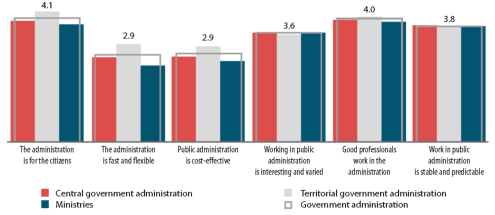
Figure 1: Opinions on public administration I
Source: EUPAN survey data
In your opinion, how well do the following statements describe public administration? (%)
(1: not at all typical - 6: very typical)
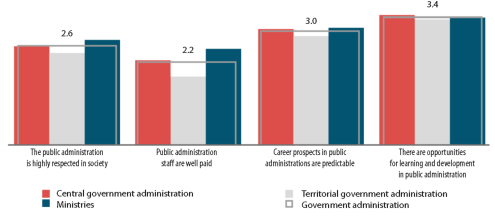
Figure 2: Opinions on public administration II
Source: EUPAN survey data
were given to the characteristics related to professionalism. The respondents largely agreed with the assertion that "Public administration is for citizens", with a result of 4.1, while "Good professionals work in public administration" scored 4, and "Work in public administration is stable and predictable" had an average score of 3.8. Also scoring above the medium was the professionalism-related statement that "Work in public administration is interesting and varied" (Figure 1).
The lowest ratings were given to statements connected to the material and social prestige of public administration employees (Figure 2).
- 69/70 -
In your opinion, how well do the following statements describe public administration? (%)
(1: not at all typical - 6: very typical)
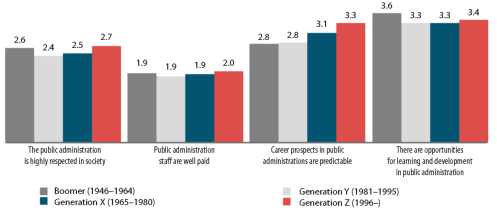
Figure 3: Opinions on public administration III
Source: EUPAN survey data
While there was no significant difference in the values of positive opinions between the different types of bodies, the "severity" of negative opinions varies greatly between the central and territorial levels. While in the county government offices, the speed and cost-effectiveness of public administration are rated significantly more favourably than at the central level, the social and material remuneration of public administration is rated much lower in provincial offices. This difference is due to the fact that speed, flexibility and cost-effectiveness are mainly measured in the context of the public services[67] provided to citizens at the local (territorial) level. At the same time, the lower average salaries in county government offices may lead them to perceive the social and material prestige at the central level as less favourable.
Data by age group also reveal other correlations. Respondents born between 1946 and 1964 (so-called baby boomers) rated the stability and predictability of public administration and predictable career prospects lowest. This is probably due to the fact that as the oldest age group they have experienced the most organisational restructuring, downsizing and existential vulnerability. However, Generation Z is the most positive about these same characteristics, which is understandable as they have the least first-hand experience and therefore tend to form their opinions based on hearsay information (Figure 3).
- 70/71 -
In your opinion, how well do the following statements describe public administration? (%)
(1: not at all typical - 6: very typical)
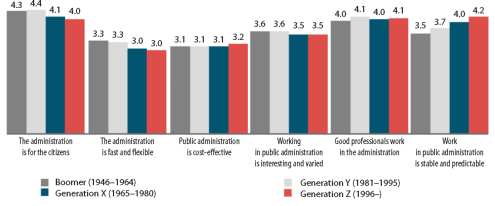
Figure 4: Opinions on public administration IV
Source: EUPAN survey data
e) Labour costs account for the largest share of public administration operating costs, so increasing the headcount entails a significant budgetary burden, and conversely, reducing the staffing level can release considerable budgetary sources to support economic growth. This would imply that the optimum headcount for the civil service is an issue which can be approached rationally. However, in practice this is not the case. The optimum headcount of the public service is decided much more by considering political criteria than as a result of rational headcount management. It depends to a much greater degree on what needs governments have and what role the state is expected to play in providing public services. The original question should therefore not be about determining the optimal number of staff, but rather about influencing it in the optimal direction.[68]
Recognising the headcount problem, the Kit. introduced a position-based, fixed system of headcount management. This means that the Government has direct control over the staffing levels of public administration bodies. Only the Government is authorised to decide to increase the number of positions in the public service sector or to change the classification of positions. At this point the decentralisation advocated by the Kit. therefore fails. This raises the question of whether the efficiency-enhancing effect of decentralised personnel activities can be achieved within a centralised headcount management framework. Whatever the answer may be, it is certain that effective headcount management cannot be achieved without long-term workforce planning. At present, there is no strategic workforce planning in the Hungarian public administration.
- 71/72 -
The public service HRM development framework
a) The deficiencies described above must be redressed, otherwise the law becomes really counterproductive, and the objectives that were set originally will not be achieved. However, it has to be emphasised that redressing deficiencies cannot be limited to legislation. On the contrary, legislation is merely a means to an end, whose content is given by well-defined personnel developments, the elaboration and implementation of which can only take place over a period of several years. The means for this programmed development is the Framework for the Development of HRM in the Public Service (hereinafter: Framework).
The Framework aims to provide HRM development services that will lead to the development of a competitive, professional staff with a sufficient headcount and proper composition and a personnel system that can be managed effectively in the government administration. The Framework will ensure that the increased flexibility resulting from the recent processes of decentralisation and deregulation is exploited by departments and that greater organisational efficiency is achieved. The Framework ensures that the bodies take advantage of the greater flexibility offered by the recent decentralisation and deregulation and thereby achieve greater organisational efficiency.
b) The internal regulation of the HRM processes missing from the system and the uniform requirements should be defined by so-called soft regulation tools. The HRM Excellence Model (hereinafter: Excellence Model), which is based on the principles of quality management systems and which describes the general operating model of a single integrated system of HRM processes, serves this aim well. By using it, the efficiency and effectiveness of personnel activities are increased and the organisation is made more transparent, with clear lines of responsibilities and well-defined powers. The Excellence Model is process-oriented and therefore allows for improvement. Its application ensures both flexible design of local processes and the uniform enforcement of quality requirements. If it is complemented with an accreditation system, it allows processes to be monitored and excellence to be certified for citizens as users of public services.
The Excellence Model is in fact a quality assurance standard that aims to provide a framework for the optimal design and continuous improvement of HRM processes based on quality standards. The quality requirements defined during the HRM processes ensure that the personnel system which is decentralised to the individual bodies is nevertheless designed and continuously improved on the basis of uniform government demands. The Excellence Model also provides the basis for the benchmarking of national and international personnel practices.
The introduction of the Excellence Model can be made mandatory, but it can also be optional with the use of incentives, such as the Excellence Award. Qualification also requires the existence of an independent accreditation organisation, whose members are appointed and dismissed by the Minister responsible for public service personnel policy. Counselling and training are needed to prepare for certification. The conditions for the latter can be provided by the Ludovika University of Public Service.
- 72/73 -
c) The basis of HRM in the public service sector is strategic planning, which requires that the public bodies (or the government) have the data and information necessary to make personnel policy decisions. Strategic workforce planning is the basis for modelling the demographic (headcount and age composition) evolution of staff and its impact, as well as assessing the possibilities of outsourcing (PPP, contracting out, etc.), supporting vertical and horizontal staff mobility (i.e. temporary employment other than fixed appointments), and for exploring efficiency reserves (e.g. e-public service opportunities, new technologies, work opportunities, etc.).
The Government Decision Support System for Personnel (hereinafter: KSZDR) provides a data asset that can be used to support the development of long-term personnel policy strategies in an efficient and comprehensive manner. Moreover, it not only can provide statistical data for governmental personnel decision-making, but it can also support governmental administration bodies in the design, reorganisation and development of their own organisations. The system not only provides answers to the reasons why certain HRM processes have occurred in the past, but also predicts the future consequences of specific decisions. All these functions are intended to supply scientific, research and methodological solutions that are otherwise not available in government administration bodies.
d) To enable rational government decisions to be taken on public service (public service personnel policy), it would be advisable to establish a Public Service Council working alongside the Government which would have the right to counsel, deliver opinions, make proposals and coordinate activities. Its members, on the proposal of the minister responsible for public service personnel policy, would be appointed by the Prime Minister from among the most acclaimed and knowledgeable theoretical experts and practitioners in public service. The Council would, inter alia
- deliver its opinion on draft legislation affecting the public administration and its staff: analyse the enactment of legislation and draw up proposals for improving the legislation
- develop professional and methodological recommendations for the selection, qualification (assessment), training and upskilling of employees working in public service
- on the basis of the KSZDR, analyse and evaluate the development of the headcount of public bodies, the required qualifications and salary relationships, and provide the reasons for such changes
It is worth noting finally that the Ktv. provided for a council of similar legal standing, but it was never established. The time has come to redress this deficiency.
- 73/74 -
References
György, István (2019): Egyesült Királyság. In Hazafi, Zoltán - Ludányi, Dávid (eds.): Összehasonlító európai közszolgálat. Kézirat.
Hazafi, Zoltán (2019): Kormányzati paradigmák, személyzeti rendszerek, közszolgálati "emberkép". In Hazafi, Zoltán (ed.): Kormányzati személyzetpolitika. Budapest: Dialóg Campus, 41-80.
Hazafi, Zoltán - Kajtár, Edit (2021): A COVID-járvány hatása a közszolgálati HRM fejlődésére. In Rixer, Ádám (ed.): A járvány hosszútávú hatása a magyar közigazgatásra. Budapest: Károli Gáspár Református Egyetem Állam- és Jogtudományi Kar, 247-263.
Hazafi, Zoltán - Szekér, Enikő (2021): Személyügyi döntéstámogatás informatikai rendszerének bevezetése a magyar közszolgálatban. Belügyi Szemle, 69(8), 1335-1360. Online: https://doi.org/10.38146/BSZ.2021.8.3
Hegyesi, Zoltán (2024): A közigazgatás szervezési elvei a területi közigazgatás vizsgálatának szemszögéből. Belügyi Szemle, 72(8), 1447-1470. Online: https://doi.org/10.38146/BSZ-AJIA.2024.v72.i8.pp1447-1470
Hutton Review of Fair Pay in the Public Sector: Final Report (2011). Online: https://dera.ioe.ac.uk/id/eprint/2562/1/hutton_fairpay_review.pdf
Iván, Dániel (2023): A közszolgáltatások megszervezésének formái. De Iurisprudentia et Iure Publico, 14(1), 60-81.
Kántás, Péter (2001): A mérlegelés dilemmái. Jogelméleti Szemle, (3). Online: https://epa.hu/05200/05288/00007/pdf/EPA05288_jogelmeleti_szemle_2001_3_04.pdf
Kiss, György (2019): A közszolgálati életpálya ("career", "Laufbahn", "carriere") jogi szabályozásának alapja. In Kiss, György (ed.): Közszolgálati életpályák jogi szabályozása. Budapest, Dialóg Campus, 19-21.
Lőrincz, Lajos (2010): A közigazgatás alapintézményei. Budapest: HVG-ORAC.
OECD (2015): Slovak Republic: Better Co-ordination for Better Policies - Services and Results. Paris, OECD Publishing.
Paksi-Petró, Csilla (2020): Munkaköralapú humánerőforrás gazdálkodás intézményesítésének nemzetközi gyakorlata. Országtanulmány: Egyesült Királyság. In Gáspár, Mátyás - Szakács, Gábor (eds.): Munkaköralapú humánerőforrás gazdálkodás intézményesítésének nemzetközi gyakorlata (országtanulmányok). Budapest: Nemzeti Közszolgálati Egyetem, 270-340.
Paksi-Petró, Csilla (2023): A legújabb fejlődési irányok a brit közszolgálatban. In Csóka, Gabriella - Ludányi, Dávid (eds.): Főbb közszolgálati modellek Európában. Budapest: Ludovika Egyetemi Kiadó, 11-32.
Staroňová, Katarína (2017): Performance Appraisal in the EU Member States and the European Commission. Bratislava: Government Office of Slovakia. Online: https://ssrn.com/abstract=3031256
- 74/75 -
Legal sources
Act XXIII of 1992 on the Legal Status of Civil Servants (Ktv.)
Act CXXV of 2003 on Equal Treatment and the Promotion of Equal Opportunities (the Equal Treatment Act)
Act I of 2012 on the Labour Code (Mt.)
Act CXXV of 2018 on Government Administration (Kit.)
Government Decree 88/2019 (IV. 23.)
Government Decree 716/2021 (XII. 20.)
Act No. 55/2017 Coll. on the Civil Service. Online: https://natlex.ilo.org/dyn/natlex2/natlex2/files/download/113676/SVK-113676.pdf
Civil Service Commission (2010): Code of Practice for Staff October 2010. Online: https://civilservicecommission.independent.gov.uk/wp-content/uploads/2019/03/01b_Code-of-Practice-for-Staff.pdf
Civil Service Commission (2018): Recruitment Principles. April 2018. Online: https://civilservicecommission.independent.gov.uk/wp-content/uploads/2019/03/02a_RECRUITMENT-PRINCIPLES-April-2018-FINAL-.pdf
Civil Service Human Resoucres (2012): Civil Service Competency Framework. Online: https://assets.publishing.service.gov.uk/media/5a815610ed915d74e33fda4b/cscf_fulla4potrait_2013-2017_v2d.pdf
Constitutional Reform and Governance Act 2010. Online: https://www.legislation.gov.uk/ukpga/2010/25/contents
Grade Structures of the Civil Service. Institute for Government. Online: https://www.instituteforgovernment.org.uk/explainer/civil-service-grades
The Civil Service Management Code. Online: https://www.gov.uk/government/publications/civil-servants-terms-and-conditions
The Code of Practice on Equal Pay. Online: https://www.equalityhumanrights.com/sites/default/files/equalpaycode.pdf
Guidelines for the Management of Underperformance. Online: https://circulars.gov.ie/pdf/circular/per/2016/24.pdf
Zoltán Hazafi, PhD is a lawyer, Head of Department, Associate Professor at the Ludovika University of Public Service, and a Senior Professional Advisor at the Ministry of the Interior. He studied at the Faculty of Law and Political Sciences of the Janus Pannonius University, the "Ecole Nationale d'Administration" French management school, the ELTE Institute of Legal Studies and the Budapest University of Technology. In addition to his law degree, he also holds qualifications in European law and quality management. He has been working in public administration for more than 25 years in the field of public service development and government personnel policy. His main areas of expertise are civil service law and the dissemination of modern HR solutions in public administration, but he has also worked on quality improvement and management development projects in public administration.
- 75/76 -
Dávid Ludányi, PhD is a certified administrative expert, Assistant Professor at the Ludovika University of Public Service. He studied at the Ludovika University of Public Service, where he completed his bachelor's and master's degrees in public administration. He defended his PhD thesis at the University of Pécs. He is currently engaged in teaching and research on civil service law. As an expert, he is regularly involved in the development of public administration training programmes and curricula. ■
NOTES
[1] TKP2021-NKTA-51 has been implemented with the support provided by the Ministry of Culture and Innovation of Hungary from the National Research, Development and Innovation Fund, financed under the TKP2021-NKTA funding scheme.
[2] In our study, civil service law is governed by Act XXIII of 1992 on the Legal Status of Civil Servants (Ktv.), as well as the legal status laws that will replace them later, and their implementing legislation.
[3] It appears in the Kit. just between the rules of its extension to a new governmental administrative body (Section 1/A), the rules of the change of legal relationship (Section 114), and the transitional provisions (such as Section 283).
[4] For an organisational legal approach to decentralisation, see e.g. Hegyesi 2024: 1456-1457.
[5] Section 19 of Government Decree 88/2019 (IV. 23.).
[6] Gyulavári-Kun 2013: 15.
[7] Kiss 2019a: 19.
[8] Hazafi 2019: 77.
[9] Paksi-Petró 2020: 270-301; Paksi-Petró 2023: 9-32.
[10] Hazafi 2019: 77.
[11] György 2019.
[12] Civil Service Commission 2018.
[13] Civil Service Commission 2010.
[14] Lőrincz 2010: 379.
[15] See Constitutional Reform and Governance Act 2010.
[16] See Constitutional Reform and Governance Act, Section 10-11.
[17] Civil Service Commission 2018: Point 3.
[18] Civil Service Commission 2018: Point 4.
[19] Civil Service Commission 2018: Point 5.
[20] Civil Service Commission 2018: Point 6.
[21] Civil Service Commission 2018: Points 7-8.
[22] Civil Service Commission 2018: Points 9-10.
[23] Civil Service Commission 2018: Point 11.
[24] Civil Service Commission 2018: Point 12.
[25] Civil Service Commission 2018: Point 16.
[26] Civil Service Commission 2018: Points 17-19.
[27] Civil Service Commission 2018: Point 27.
[28] Civil Service Commission 2018: Point 28.
[29] György 2019.
[30] György 2019.
[31] Paksi-Petró 2020: 281.
[32] Paksi-Petró 2020: 282. Cf. Civil Service Management Code, Introduction, Point 5.
[33] Paksi-Petró 2020: 282. Cf. Introduction 7.
[34] Paksi-Petró 2020: 283.
[35] Cf. Civil Service Management Code, 7 Pay and allowances - 7.1 Remuneration of Staff - Conditions 7.1.2 points a-d.
[36] Civil Service Management Code, 7 Pay and allowances - 7.1 Remuneration of Staff - Conditions 7.1.3.
[37] Civil Service Management Code, 7 Pay and allowances - 7.1 Remuneration of Staff - Conditions 7.1.4.
[38] Civil Service Management Code, 7 Pay and allowances - 7.1 Remuneration of Staff - Conditions 7.1.5.
[39] See Civil Service Management Code, 6.4 Promotion and Lateral Transfers.
[40] Paksi-Petró 2020: 284.
[41] Grade Structures of the Civil Service. Institute for Government.
[42] György 2019.
[43] Hutton Review of Fair Pay in the Public Sector 2011: 85-92.
[44] Staroňová 2017.
[45] Ireland is an example to follow on this issue. See Guidelines for the Management of Underperformance.
[46] The authors cite Bulgaria and Slovakia as examples.
[47] Hazafi 2019: 76.
[48] Act No. 55/2017 Coll. on the Civil Service, Article 12.
[49] OECD 2015: 113.
[50] Kit. Section 58 (2)-(3).
[51] Section 20 of Government Decree 88/2019 (IV. 23.).
[52] Kit. Section 83 (1).
[53] Section 19 point a) of Government Decree 88/2019 (IV. 23.).
[54] For instance: Hazafi-Kajtár 2021: 255-256.
[55] Section 12-24 of Government Decree 716/2021 (XII. 20.).
[56] Section 21 (1) of Government Decree 716/2021 (XII. 20.).
[57] Kit. Section 51 (1)-(3).
[58] The Kit. lists the professional conditions for filling the position as an example [Section 58 (2)]. Government Decree 88/2019 (VI. 23.) lists the content elements of the minister's proposal [Section 3 (2)].
[59] Kit. Section 134 (1).
[60] Cf. Act I of 2012 on the Labour Code Section 12 (3).
[61] Section 20 of Government Decree 88/2019 (IV. 23.).
[62] Kántás 2001.
[63] Kit. Section 134 (1a).
[64] The Equal Treatment Act Section 8, point r).
[65] Kit. Section 65 (3).
[66] The Ministry of the Interior and the Ministry of Public Administration and Regional Development invited the Ludovika University of Public Service to conduct a study on the ageing challenges of public administration and to present the results of the research at the European Public Administration Network (EUPAN) working group meeting and the Director General's meeting. A questionnaire was prepared in cooperation with experts from the Ministry of the Interior, asking government officials and managers working in government administration about their views on public administration, career, values, labour market preferences etc. Statistical data from the Government Personnel Decision Support System (KSZDR) were used to understand the characteristics of government administration and to show the interrelationships between them.
[67] See Iván 2023: 76-81.
[68] Hazafi-Szekér 2021: 1340.
Lábjegyzetek:
[1] The author is PhD, Associate Professor, Head of Department, Ludovika University of Public Service Faculty of Public Governance and International Studies Department of Human Resources, hazafi.zoltan@uni-nke.hu
[2] The author is PhD, Assistant Professor, Ludovika University of Public Service Faculty of Public Governance and International Studies Department of Human Resources, ludanyi.david@uni-nke.hu