

Alireza Safarpour[1]: Artificial Intelligence and Democracy - A Systematic Literature Review Covering One Decade (ELTE Law, 2026/1., 85-118. o.)
https://doi.org/10.54148/ELTELJ.2026.1.85
Abstract
Artificial intelligence (AI) is playing an increasingly important role in democratic governance, impacting elections, political communication and citizen participation. The rapid adoption of AI technologies in democratic processes holds promise by potentially enhancing civic engagement and governmental efficiency, but also raises significant concerns, including the spread of misinformation, surveillance and algorithmic bias. Despite substantial scholarly attention to these individual aspects, a comprehensive overview of Al's multifaceted impact remains lacking. To address this gap, a systematic literature review (SLR) was conducted to examine studies from 2014 to 2024 using PRISMA guidelines. Based on 97 selected studies from Web of Science and Scopus databases, the review identifies Al's role in five key areas: public participation, technocratic decision-making, transparency and accountability, media and political communication and surveillance. While AI can enhance democratic processes through improved civic participation and efficient governance, it simultaneously raises ethical and regulatory challenges. The findings highlight the critical need for effective governance frameworks that emphasise transparency, legal accountability and the protection of individual rights. Balancing AI innovation with democratic values is essential to maintaining democratic integrity and trust.
Keywords: artificial intelligence, democracy, governance, transparency and accountability, ethical AI
- 85/86 -
I. Introduction
Artificial intelligence (AI) is increasingly becoming a powerful force in shaping political systems and democratic governance. This marks a new and complex intersection between technological innovation and the foundational structures of society. Historically, every major technological shift, from the printing press to the internet, has left its mark on democracy by reshaping how information circulates, how citizens engage, and how governments are held accountable. AI now represents the next wave of transformation. On the one hand, it offers the promise of enhancing democratic decision-making, boosting creativity, and ushering in an era of intelligent automation. On the other hand, it introduces new risks, including challenges to employment, difficulties in verifying the truth, and concerns about the resilience of democratic institutions.[1] Among the most prominent examples of AI's growing role are large language models (LLMs). These tools offer policymakers unprecedented access to synthesised expertise, potentially strengthening the deliberative and problem-solving capacities of democratic bodies.[2] At the same time, the increasing use of AI in political communication, particularly in branding and content creation, is changing how leaders engage with the public. These developments are not only reshaping voter perceptions but also influencing democratic processes in ways that were unimaginable just a few years ago.[3] These developments highlight both the opportunities and risks AI poses to democracy, necessitating careful regulation and governance to align AI's growth with democratic values and societal well-being.
Democracy is fundamentally built on the principles of transparency, accountability, citizen participation and fairness. Transparency means that government decisions are communicated clearly and are accessible to the public, which is essential for maintaining trust and legitimacy.[4] Accountability ensures that institutions are answerable for their actions, helping them remain responsive to the needs and concerns of society.[5] Genuine opportunities for citizen participation allow individuals to engage in shaping policies, which strengthens the resilience and responsiveness of democratic systems. Fairness safeguards against power imbalances and promotes inclusive decision-making that reflects diverse societal
- 86/87 -
interests. As artificial intelligence and other digital technologies become more embedded in public governance, it is crucial that their integration supports, rather than undermines, these democratic foundations. AI refers broadly to technologies that can perform tasks traditionally requiring human intelligence, including machine learning, automation and data-driven decision-making.[6] In recent years, the use of AI in the public sector has grown rapidly. Its influence is visible across multiple areas, such as election management, policy development, the delivery of public services and government communication strategies. Increasingly, governments are turning to AI tools to analyse large volumes of data, improve predictions and streamline administrative processes, all with the aim of making governance more efficient and enabling more informed citizen participation.[7] While artificial intelligence can serve as a powerful tool for enhancing the efficiency of democratic systems, it also raises serious concerns. Among the most pressing issues are the spread of misinformation, algorithmic biases in decision-making and the growing reach of surveillance technologies. AI applications such as deepfakes and automated content generation have already been used to distort political discourse, posing risks to the integrity of democratic processes.[8] These developments highlight the dual nature of AI: it offers new opportunities for innovation and improved governance, but also presents ethical and institutional challenges that must be addressed through careful regulation and oversight.
The debate over AI's place in democratic societies is marked by opposing perspectives. On the one hand, proponents argue that AI has the potential to improve government operations, expand civic engagement and strengthen transparency. AI-powered platforms can support participatory governance by collecting citizen input and analysing public sentiment, leading to more informed and responsive policymaking. In some cases, the combination of AI and blockchain technologies has led to increased civic involvement and more efficient governance, reinforcing the view that AI can contribute positively to democratic participation and institutional openness.[9] On the other hand, critics caution that these technologies also involve significant risks. Algorithmic bias, the spread of disinformation, and the expansion of surveillance capabilities can threaten electoral integrity and weaken democratic accountability. These concerns underline the importance of approaching AI integration with both optimism and caution, ensuring that technological advancement does not come
- 87/88 -
at the expense of democratic values. The expansion of AI-driven content moderation and political targeting by major technology corporations has transformed them into influential yet unaccountable actors in political discourse. Additionally, regulatory challenges persist, as fragmented governance frameworks struggle to address ethical concerns and the geopolitical competition over AI governance intensifies. While some initiatives, such as the European AI Act, attempt to establish comprehensive oversight, global regulatory measures remain insufficient to mitigate AI's broader impact on democracy.[10]
Despite considerable scholarly attention, existing research on AI's democratic impacts remains fragmented, lacking systematic synthesis. Studies have often examined isolated issues, such as misinformation or surveillance, without providing a comprehensive overview. This gap highlights the need for a comprehensive and systematic review of the academic literature examining the relationship between artificial intelligence and democracy over the past decade, from 2014 to 2024. Given the complexity of the interactions between emerging technologies and governance structures, this study seeks to offer a holistic evaluation of how AI has influenced various aspects of democratic systems. The review aims to identify and synthesise major trends and recurring themes in the literature, with particular attention to AI's role in governance, elections, political communication and democratic participation. In doing so, it also engages with the key ethical and regulatory challenges posed by AI, providing evidence-based insights and outlining practical directions for future research. By offering a structured assessment of AI's multifaceted impacts on democratic systems, this study contributes to the growing body of scholarship at the intersection of technology and political life. It is intended to support both academic inquiry and policymaking by clarifying how AI is reshaping the democratic landscape and where safeguards are most urgently needed. The paper is organised as follows. The opening section introduces the broader context of the relationship between democracy and AI. This is followed by the methodology section, which outlines the systematic literature review (SLR) approach, detailing the rigorous process used to identify, select, and analyse relevant academic work. The findings section categorises and evaluates AI's influence across key democratic dimensions, including public participation, technocratic decision-making, transparency and accountability, media and political communication, as well as surveillance and privacy. The discussion section then critically engages with these findings, examining the implications of AI integration in democratic systems. It emphasises the importance of explainable AI and the development of strong regulatory frameworks to address challenges such as algorithmic bias and data privacy. Finally, the conclusion summarises the main insights, offers actionable policy recommendations, and stresses the urgent need for effective governance mechanisms to ensure the responsible use of AI in democratic societies.
- 88/89 -
II. Context: Democracy and artificial intelligence
The integration of artificial intelligence into democratic governance is increasingly reshaping political landscapes. While this shift is leading to notable opportunities for enhancing decision-making and public engagement, it also introduces pressing challenges. Recent developments - such as the rise of deepfakes, AI-generated misinformation and highly targeted political content - highlight the growing complexity of embedding AI within democratic structures.[11] This duality demands a nuanced examination of AI's role in supporting or undermining democratic principles, particularly transparency, accountability and citizen participation.[12] Democracy fundamentally depends on transparency, accountability and inclusive participation. Historically, technological shifts have significantly reshaped democratic processes, simultaneously fostering greater citizen engagement and facilitating misinformation.[13] AI marks the latest stage in this evolution, introducing unprecedented capabilities for data-driven decision-making, streamlined governance and extensive information dissemination. Despite these potential benefits, AI technologies often operate as opaque 'black box' models, challenging democratic transparency and eroding public trust in administrative and political decisions.[14]
Algorithmic bias exemplifies one of AI's critical democratic challenges, often resulting from AI models trained on biased historical data. This bias has manifested prominently in law enforcement tools and social benefits allocation systems, disproportionately impacting marginalised communities and exacerbating social inequalities. The growing use of biometric surveillance and facial recognition technologies has raised serious concerns about civil liberties, particularly given their tendency to misidentify individuals from marginalised or disadvantaged communities. The opaque nature of these AI-driven systems makes it difficult for the public to scrutinise their decisions, which complicates accountability - especially when such technologies produce flawed or discriminatory outcomes.[15] AI is also playing an increasingly influential role in shaping political processes, not least through the rapid spread of misinformation and deepfake technologies. AI-generated disinformation campaigns, including synthetic audio and video content, have been strategically used to manipulate public
- 89/90 -
opinion and disrupt electoral processes.[16] A notable example is the 2023 election in Slovakia, where manipulated audio recordings were used to influence voter perception, demonstrating how effectively AI-generated content can erode trust in democratic institutions.[17] At the same time, the use of automated systems in public administration offers clear efficiency gains. However, these gains often come at the cost of reduced human oversight. In the case of AI-driven tools used for social welfare decisions, some systems have produced inaccurate or harmful outcomes, highlighting the critical need for transparent procedures and continued human involvement in administrative decision-making.[18] Despite these challenges, AI also presents meaningful opportunities to strengthen democratic engagement. AI-enabled platforms can support participatory governance by gathering citizen input, interpreting public sentiment, and informing more responsive and inclusive policymaking processes.[19] E-governance systems leveraging AI can improve accessibility to public services, streamline bureaucratic processes and foster greater inclusivity, particularly among marginalised populations. To capitalise on these advantages, robust democratic safeguards, including transparency mandates, equitable access policies and oversight mechanisms, are essential to ensure AI-driven governance aligns with democratic values.
The influence of AI also diverges significantly across political regimes. Authoritarian states deploy AI primarily for surveillance, censorship and political control, exacerbating human rights abuses and limiting civic freedoms.[20] In contrast, democracies have the potential to harness AI for civic empowerment, provided robust regulatory frameworks are established. However, the disproportionate influence of major AI developers like Google, Meta and OpenAI poses risks to democratic accountability. These corporations control substantial portions of AI development and information dissemination, raising concerns over their capacity to shape political discourse and policy without adequate democratic oversight.[21] To address AI's inherent risks, comprehensive regulatory responses are gaining traction globally. Initiatives such as the European Union's AI Act, UNESCO's AI Ethics
- 90/91 -
Guidelines and the OECD AI Principles establish foundational governance standards emphasising transparency, fairness, accountability and human oversight.[22] Key regulatory safeguards include mandatory algorithmic impact assessments, explicit transparency obligations and robust public oversight mechanisms. However, enforcement and global coordination remain challenging, particularly when addressing transnational threats such as AI-driven misinformation and surveillance. Based on these concepts, this study describes how a systematic literature review (SLR) was conducted to examine AI's impact on democracy. Using a structured and transparent methodology, the review synthesised existing research to analyse AI's interaction with democratic values and the principles designed to mitigate AI-related risks.
III. Methodology
This study employed a systematic literature review (SLR) to address the research questions. A systematic literature review (SLR) is a rigorous and structured method for synthesising existing research, ensuring comprehensiveness, transparency and replicability in knowledge accumulation.[23] Unlike traditional narrative reviews, which can be selective and prone to bias, SLRs follow explicit methodologies that guide the identification, selection and critical appraisal of relevant studies. This approach aims to provide a synthesised and exhaustive summary of available evidence, helping scholars pinpoint theoretical gaps, inconsistencies and emerging trends within a given domain.[24] By systematically gathering and analysing prior research, SLRs contribute to the advancement of academic inquiry and support evidence-based decision-making in both policy and practice.[25] The SLR process involves defining clear research questions, establishing inclusion and exclusion criteria, systematically searching multiple databases, assessing the quality of retrieved studies and synthesising findings through qualitative or quantitative methods such as meta-analysis or meta-synthesis.[26] This structured approach enhances the reliability of literature reviews, mitigates selection bias, and improves the replicability of findings.
- 91/92 -
To ensure transparency and methodological rigour, this study followed the PRISMA guidelines (Preferred Reporting Items for Systematic Reviews and Meta-Analyses). Developed as a refinement of the earlier QUOROM framework, PRISMA offers a widely recognised and standardised approach for conducting and reporting systematic reviews and meta-analyses.[27] The framework includes a 27-item checklist and a four-phase flow diagram designed to improve the clarity, consistency and replicability of literature reviews. By reducing potential bias and enhancing analytical transparency, PRISMA strengthens the overall credibility and relevance of systematic reviews for academic researchers, policymakers and practitioners alike. In line with this protocol, the review process was organised into four stages - identification, screening, eligibility and inclusion, ensuring a clear and traceable path from literature selection to final analysis (see Figure 1).
The identification phase focused on locating studies related to the role and impact of artificial intelligence on democracy. A comprehensive search strategy was employed using Boolean operators to combine relevant keywords: ('Artificial Intelligence' OR 'AI' OR 'Machine Learning' OR 'Large Language Models' OR 'LLMs') AND ('Democracy' OR 'Democratic' OR 'Democratization' OR 'Democratize' OR 'Democratically' OR 'Democraticism' OR 'Democrat'). The AI-related search terms were developed based on Sheikh et al.'s (2023) definition of AI to capture a broad range of AI technologies, while the democracy-related terms ensured comprehensive coverage of literature on democratic governance. The search targeted peer-reviewed journal articles published in English between January 2014 and December 2024. The databases Web of Science (WoS) and Scopus were selected for their extensive indexing of high-quality research publications. The initial search yielded 1,114 results (594 from Web of Science and 520 from Scopus). After removing duplicate entries, 786 unique studies remained. The screening phase involved two inclusion criteria: (i) the study must examine AI in the public sector with a significant emphasis on democracy, and (ii) both empirical and conceptual/theoretical studies were considered.
The screening process was conducted in two stages. First, the author reviewed the titles, abstracts and keywords to assess their alignment with the research scope and study design, eliminating 669 publications through this preliminary filtering. In the second stage, the full texts of the remaining 97 articles were examined to determine their relevance, focusing on whether they directly addressed AI's role in democratic processes. Each article was critically assessed before being included in the final selection. For data analysis, a structured metadata framework was developed, comprising three key components. The first component, publication and general information, captures bibliographic details such as publication type, source database, publication year, author names, article title and journal or conference venue. The second, research characteristics, includes the study's objectives, research questions,
- 92/93 -
theoretical framework, empirical approach (if applicable), methods and policy or geographic context. The final component, findings and contributions, documents key study outcomes, highlighting their significance within the broader research landscape.
The study employs thematic analysis to systematically identify, analyse and report patterns (themes) within the collected data. Thematic analysis is a structured yet flexible qualitative method that enables a rich interpretation of qualitative findings by coding and categorising data into meaningful themes.[28] This process involves several phases, including familiarisation with data, generating initial codes, identifying patterns, refining themes, and presenting them using a coherent narrative. Thematic analysis is particularly suitable for exploring complex qualitative datasets, as it allows for both inductive and deductive coding strategies, ensuring a comprehensive understanding of underlying meanings and contextual influences.[29] By applying thematic analysis, the study aimed to capture nuanced insights and provide a structured yet interpretative approach to analysing the role and impact of AI on democracy.
IV. Findings
1. Descriptive analysis
Publication Year: Over the past decade, scholarly interest in the relationship between artificial intelligence and democracy has grown dramatically, with a notable surge from 2020 onward. In the early years, research on this topic was scattered; just a handful of studies appeared in 2015 and 2017. But from 2018, the momentum picked up, with the number of publications rising steadily each year. As illustrated in Figure 2, this growth became particularly striking after 2020, jumping from 9 studies that year to 35 in 2024. This surge in academic attention can be attributed to several key factors. As AI technologies became more integrated into public decision-making, elections and digital governance, people started paying closer attention to their ethical, political and social impact. With governments increasingly using AI to streamline processes and make decisions, concerns grew about issues like bias, transparency and accountability. At the same time, the rise of misinformation, deepfakes and algorithmic biases (especially their influence on democratic institutions) sparked critical discussions among researchers. Since AI systems learn from historical data, they can sometimes reinforce existing biases, leading to unfair policy-related and governance outcomes. Meanwhile, the rapid development of generative AI and large language models
- 93/94 -
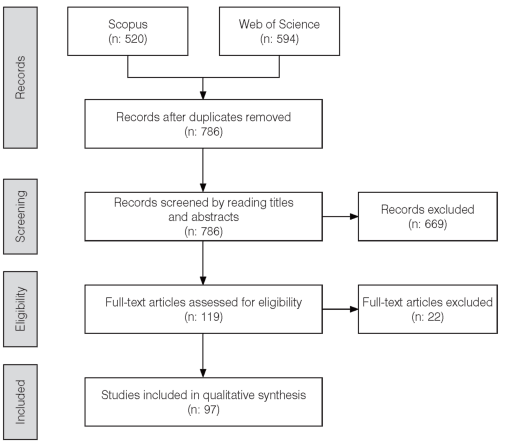
Figure 1. PRISMA flow chart (Source: Author)
between 2022 and 2024 added to the urgency. These technologies, capable of producing convincing text, images and videos, raised concerns about their potential to shape public opinion and influence political decisions. As a result, policymakers and experts began debating how to balance AI's benefits with the need to protect democratic values. With AI evolving so quickly, the challenge lies in ensuring that innovation continues while keeping public trust intact.[30]
Journals: The review shows that while discussions on AI's impact on democracy span a wide range of journals, a few have emerged as key contributors. As shown in Table 1, Philosophy and Technology leads with six articles (6%), followed by Turkish Policy
- 94/95 -
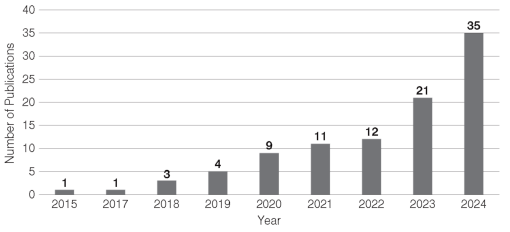
Figure 2. Year of publications (Source: Author)
Quarterly with four (4%). The intersection of ethics, technology and policy is a particularly active area of debate, especially in the context of artificial intelligence governance. AI is increasingly embedded in societal structures, raising concerns over its ethical implications and regulatory frameworks. This discourse is reflected in various academic and policy-oriented platforms. For instance, Philosophy and Technology attracts scholars who explore AI's broader philosophical and societal implications, considering questions related to ethical decision-making, transparency and accountability in AI systems. Meanwhile, Turkish Policy Quarterly serves as a forum for discussions on region-specific policy challenges, examining how AI governance intersects with local political and regulatory landscapes. The academic engagement with AI and democracy thus demonstrates both a concentrated and diverse nature, as scholars and policymakers engage with AI's implications for governance, ethics and public policy on multiple levels.
Research Approach (Study type): The fact that conceptual articles make up the majority of research in this field, with 66 out of 97 studies falling into this category, suggests that the study of artificial intelligence's impact on democracy is still in its early, exploratory stages. Rather than conducting empirical research, scholars seem to be focused on shaping the conversation, building theoretical models, debating ethical considerations, and speculating on potential effects. The emphasis on theory in the study of AI and democratic systems likely arises from their complexity and evolving nature, making empirical measurement challenging. Furthermore, since AI governance is a relatively new field, researchers often prioritise developing theoretical frameworks before pursuing empirical analysis. As Erman and Furendal[31] note, AI governance is still in its formative stage, with much of the current research
- 95/96 -
Table 1. Distribution of reviewed articles and their frequency in journals (Source: Author)
| Journal | Number of publications | Percentage (rounded) |
| Philosophy And Technology | 6 | 6% |
| Turkish Policy Quarterly | 4 | 4% |
| Technology In Society | 2 | 2% |
| Big Data & Society | 2 | 2% |
| New Media and Society | 2 | 2% |
| European Political Science | 2 | 2% |
| Democratization | 2 | 2% |
| Government Information Quarterly | 2 | 2% |
| Digital Journalism | 2 | 2% |
| Fordham Law Review | 2 | 2% |
| Philosophical Transactions of The Royal Society A-Mathematical Physical and Engineering Sciences | 2 | 2% |
| Plos One | 2 | 2% |
| Journal Of Democracy | 2 | 2% |
| Social Media + Society | 2 | 2% |
| Remainder, fewer than two articles/journal | 63 | 65% |
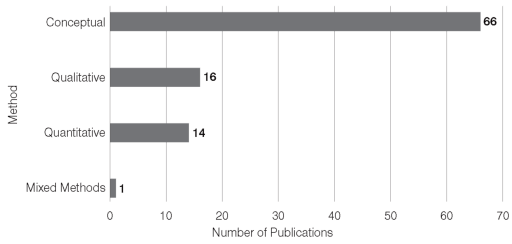
Figure 3. Research approach (Source: Author)
- 96/97 -
focusing on delineating the key normative questions and categorising them by relevance and urgency. They highlight that much of the existing discourse on AI governance centres on hypothetical scenarios, leaving significant gaps in understanding how political institutions shape AI development and deployment. This trend is further illustrated in Figure 3, which highlights the predominance of conceptual approaches in the existing literature.
2. Content analysis
After carefully reviewing and analysing the selected articles, it became clear that artificial intelligence plays a multifaceted role in democracy, shaping it in five key areas (Figure 4): Public Participation, Technocratic Decision-Making, Transparency and Accountability, Media and Political Communication and Surveillance and Privacy. Each of these areas represents a unique yet interconnected way in which AI influences democratic institutions and processes. In the sections that follow, we take a closer look at each category, drawing on insights from the reviewed studies. We explore how AI is reshaping civic engagement, influencing decision-making, enhancing or challenging transparency in governance, transforming political communication and raising critical concerns about privacy. By examining these dimensions, we gain a deeper understanding of AI's complex impact on democratic governance.
AI and public participation: AI's role in public participation presents a paradox; it has the power to enhance democratic engagement while also posing risks to inclusion and fairness. On one hand, AI-driven tools such as chatbots, digital twins and automated discussion facilitators are expanding access to public debates, improving the quality of deliberation, and making online discussions more structured and inclusive.[32] AI-moderated platforms can help create fairer dialogue by balancing speaking time and reducing power imbalances that often hinder marginalised voices. In the realm of elections, AI is already being used to simplify voter registration, improve election administration, and provide clearer, more accessible information about candidates and policies. However, concerns persist over algorithmic biases that could shape electoral outcomes and the ethical implications
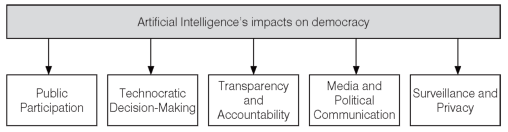
Figure 4. AI's impacts on democracy (Source: Author)
- 97/98 -
of AI-driven political targeting.[33] Beyond elections, AI can also support citizen-driven governance through initiatives like citizen science programs and deliberative policymaking, where the public plays an active role in shaping AI's development and use. However, risks such as digital astroturfing and algorithmic manipulation threaten the fairness of these processes.[34] The idea of 'augmented democracy' (where AI assists rather than replaces human decision-making) underscores AI's potential to strengthen, rather than weaken, participatory governance, provided its implementation remains transparent and equitable.[35]
AI and technocratic decision-making: As reliance on artificial intelligence in governance grows, there is an ever-present concern that the pursuit of algorithmic efficiency might come at the expense of democratic debate and ethical oversight. This evolving trend invites us to consider several interrelated issues that deserve careful reflection. On one hand, AI's impressive computational abilities allow for data-driven policymaking that significantly boosts efficiency; however, this same strength risks reducing the complex realm of politics to a set of technical calculations, thereby sidelining essential ethical and moral considerations.[36] At the same time, the rise of concepts like 'Judge AI' (where decisions in policy and law are increasingly driven by algorithms) highlights serious concerns regarding the diminishing role of human judgment, empathy and contextual sensitivity in our decision-making processes. Clearly, while AI can process vast amounts of data quickly, it falls short in replacing the nuanced moral reasoning that only humans can provide, thus underscoring the need for robust mechanisms of democratic oversight.[37] Moreover, as power gradually shifts from transparent, democratically accountable institutions to more opaque, algorithm-based systems, there is a growing risk of developing a 'hyper-technocracy' that could exacerbate social inequalities and weaken citizen agency. To counter these risks, some scholars advocate for algorithmic co-creation models that effectively combine the strengths of AI with essential human insight, ensuring that institutional legitimacy is maintained even as technological advancements reshape the landscape of governance.[38]
- 98/99 -
AI, transparency and accountability: The integration of advanced AI systems into governance structures has sparked extensive debate about the need for robust transparency and accountability measures that uphold democratic principles. One of the central challenges is the so-called 'black box' problem, where the opacity of many AI systems makes it difficult to trace decision-making processes, ultimately eroding public trust and hindering accountability. In response, scholars have emphasised the importance of comprehensive regulatory reforms, arguing for the establishment of strong legal frameworks, thorough impact assessments, and the implementation of external oversight to address inherent biases while ensuring that AI adheres to the rule of law.[39] Alongside these regulatory efforts, the development of 'explainable AI' (XAI) techniques is seen as essential, as it can render complex models more understandable to both policymakers and the broader public.[40] Additionally, there is growing concern that AI systems might inadvertently reinforce existing societal biases, particularly in critical areas such as law enforcement, electoral processes and political targeting. Consequently, establishing mechanisms that facilitate contestability and allow for independent review is considered vital for ensuring fairness and maintaining robust democratic oversight.
AI, media and political communication: Artificial intelligence has progressively reshaped the media landscape and transformed political communication in ways that extend far beyond mere technical innovation. Its influence can be seen in how news is produced, curated, and ultimately received by the public, with automated systems sometimes generating so-called "filter bubbles' that restrict access to a variety of viewpoints, potentially diminishing the quality of public debate and citizen engagement.[41] At the same time, the reliance on algorithm-driven content has raised concerns about inherent media biases and the reinforcement of partisan perspectives, challenging the balance of information in an increasingly divided public sphere.[42] Moreover, the emergence of AI-generated content such as deepfakes adds another layer of complexity, as these sophisticated imitations threaten the authenticity of political messages and enable disinformation campaigns capable of manipulating public opinion and eroding trust in democratic institutions. Even as AI opens up new avenues for enhancing digital political outreach and engagement, it simultaneously presents challenges in ensuring that online campaigns remain authentic and resistant to
- 99/100 -
manipulation.[43] The ethical considerations surrounding AI in political branding and electoral influence, therefore, demand careful scrutiny, highlighting the necessity for responsible practices that safeguard democratic processes while embracing technological progress.[44]
AI, surveillance and privacy: Recent breakthroughs in artificial intelligence have been quietly transforming how surveillance is conducted, bringing forth a host of challenges that touch every facet of personal and societal life. AI-powered tools, such as facial recognition, predictive analytics and behavioural profiling, are now employed by both state and corporate entities to monitor public spaces and individual behaviours, raising pressing concerns about the erosion of political autonomy and personal privacy. This shift has led to the commodification of personal data, where individuals become 'data subjects' whose everyday actions are continuously observed and, at times, manipulated without clear consent.[45] As these practices become more pervasive, the impact on civil liberties grows ever more significant. The unchecked expansion of AI-driven surveillance not only threatens freedom of expression but also disproportionately targets marginalised groups, further entrenching social inequities. With the potential to steer democratic institutions toward more authoritarian models of control,[46] this evolution compels us to engage in thoughtful debate and implement robust safeguards. Balancing the benefits of technological progress with the imperative to protect individual rights remains a critical challenge that society must address as these powerful tools continue to reshape the fabric of modern governance.
3. Regulatory and ethical principles for AI in democratic systems
The increasing integration of artificial intelligence (AI) into democratic systems offers promising benefits but also significant challenges. AI can enhance governance by making decision-making more informed, clear and accessible, facilitating greater public participation. Nevertheless, it also introduces risks such as biased algorithms, manipulation of political discourse and the concentration of power, potentially harming democratic principles. Based on our systematic review of the literature, we identified four critical ethical and regulatory principles that have emerged across scholarly discussions as essential for
- 100/101 -
guiding AI governance in democracies. These principles, illustrated in Figure 5, synthesise recurrent themes and recommendations found in the analysed studies, rather than being proposed independently by the authors of this study. First, legal accountability and enforcement are vital, ensuring AI technologies operate within clear legal frameworks and are regularly evaluated to prevent misuse or regulatory gaps. Second, transparency, fairness and ethical AI must be integrated by design, developing AI systems that prioritise openness, unbiased outcomes and fairness, thereby serving the public interest rather than private or governmental objectives. Third, strong data governance, privacy protection and decentralisation are necessary to safeguard individual privacy, distribute control over AI, and prevent monopolisation or excessive surveillance. Last, democratic oversight, public participation and resilience-building measures are crucial for establishing accountability, encouraging citizen involvement in AI governance, and defending against AI-driven threats like misinformation and election manipulation. Each of these principles is further discussed in this section, supported by literature highlighting their critical roles in protecting democracy in an era increasingly influenced by AI.
Principle 1 'Legal accountability and enforcement': AI technologies should be governed by legally binding regulations, similar to industries like pharmaceuticals and environmental protection, where both pre-market testing and post-deployment oversight are required to protect public interest rather than serving private or governmental monopolies.[47] To achieve this, enforceable legal provisions must be in place to ensure continuous evaluation of AI's societal impact. High-risk AI applications, such as those affecting democratic processes,
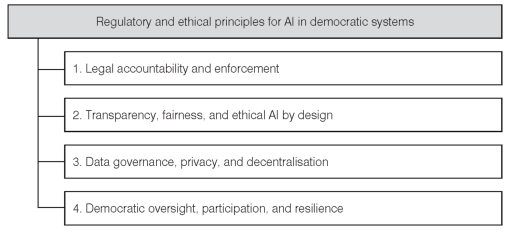
Figure 5. Regulatory and ethical Principles for AI in democratic systems (Source: Author)
- 101/102 -
should be subject to stricter obligations under frameworks like the EU AI Act,[48] with mandatory impact assessments evaluating their societal and human rights implications before large-scale deployment. Additionally, independent oversight bodies should be established to prevent AI-driven decision-making from undermining democratic institutions, ensuring AI remains subject to democratic oversight rather than technocratic control.[49] These regulatory agencies must have the authority to audit algorithms, impose sanctions for non-compliance, and require AI developers to provide transparent, explainable decision-making processes to prevent opaque "black box' systems from influencing governance.[50] The increasing use of AI in political communication and electoral processes necessitates additional safeguards against AI-driven political manipulation, such as micro-targeting and deepfakes, which threaten democratic integrity.[51] Furthermore, AI governance must address the risks of surveillance capitalism by enforcing strict data privacy regulations to prevent the commodification of personal information for political or economic gain. Continuous monitoring should be conducted, especially for high-risk AI systems in public administration and law enforcement, ensuring AI-driven governance enhances democratic values rather than replacing human oversight. By enforcing strong legal accountability and oversight, AI governance can become more transparent, mitigate the concentration of power, and uphold democratic principles by embedding fairness, transparency and public participation in AI decision-making.[52]
Principle 2 'Transparency, fairness and ethical AI by design': AI systems must be developed with inclusivity and user-centred design in mind, ensuring they serve society equitably rather than becoming tools for authoritarian control. From the outset, they must uphold privacy, freedom of expression and the rule of law, as failing to integrate these principles early on increases the risk of manipulation, mass surveillance, or AI technocracy that undermines democratic legitimacy. Ensuring transparency in AI operations is therefore crucial, particularly for applications that affect society at large, which is why mandated explainability protocols, coupled with legal enforcement mechanisms, are essential to maintain human oversight over critical functions.[53] Equally important is adherence to ethical standards, with global frameworks such as UNESCO's Recommendations on AI Ethics offering guidance on how AI can serve the public interest without compromising
- 102/103 -
human rights.[54] However, AI can also reinforce social, racial, or political biases, as seen in areas such as facial recognition and predictive policing, posing threats to democratic equality. Regular bias audits and the demonstration of algorithmic neutrality are therefore imperative, alongside robust regulations that forbid opaque 'black box' systems from making unaccountable decisions that affect citizens' lives.[55] Moreover, the rise of AI-powered political micro-targeting underscores the risk of voter manipulation and misinformation, highlighting the need for strict ethical guidelines and transparent, audited deployment in public-sector and electoral processes. By embedding transparency, fairness and fundamental rights at the design stage and tying ethical codes to legally binding obligations, regulatory frameworks can help mitigate algorithmic discrimination, prevent AI-induced political harm, and protect democratic values.[56]
Principle 3 'Data governance, privacy and decentralisation': The governance of AI must prioritise decentralisation, inclusivity, user-centred design, and stringent data protection to prevent excessive power concentration and safeguard individual rights.[57] When control over AI technologies is concentrated in the hands of a few dominant players, whether public or private, it threatens political pluralism and open discourse. To counter this and avoid AI's weaponisation for surveillance or authoritarian control, open-source AI models, data-sharing practices and ethical governance frameworks should help distribute power more evenly, encouraging transparency, explainability and democratic oversight.[58] Enforcing competition policies and antitrust regulations helps ensure that technology giants do not stifle innovation, thereby contributing to a more competitive and diverse AI ecosystem. At the same time, the growing use of personal data for AI-driven profiling and surveillance capitalism raises concerns about individual autonomy, free speech and the erosion of democratic governance.[59] Strong data protection laws, such as the GDPR, play a crucial role in curbing unchecked data collection, limiting behavioural targeting, and preventing AI-facilitated political manipulation.[60] Equally important are transparency and consent
- 103/104 -
requirements, mandating that AI developers provide clear rationales for AI-driven decisions and that users have explicit control over how their personal data is processed.[61] Where ethical AI frameworks risk lacking enforceability, legal mechanisms and robust regulatory frameworks must be instituted to uphold accountability and democratic legitimacy. By promoting decentralisation, ensuring explainability, enforcing robust data governance, and embedding human oversight in AI-driven decision-making, policymakers can prevent AI-induced power asymmetries, protect public participation, and preserve the democratic principles of openness, plurality and individual rights.[62]
Principle 4 'Democratic oversight, participation and resilience': Ensuring democratic oversight, participation and resilience in AI governance is essential to maintaining public trust, protecting electoral integrity, and upholding key democratic values such as transparency, inclusivity and accountability. One of the most pressing challenges posed by AI is its ability to generate and disseminate disinformation, particularly deepfakes, which can severely undermine democratic processes and institutional credibility.[63] To counter this threat, a combination of content labelling and platform accountability measures is necessary: AI-generated content should be clearly marked, and digital platforms must be held legally responsible for failing to moderate harmful political manipulation.[64] Furthermore, targeted legislation should criminalise the intentional creation of AI-driven political disinformation, tying ethical principles to enforceable legal obligations to ensure compliance. Such measures must be reinforced through international cooperation and must also address the broader risks of AI technocracy, where unregulated AI systems could erode democratic legitimacy and citizen agency. Safeguarding democracy, however, requires more than just legal and technical interventions; proactive public engagement in AI governance is essential. A lack of inclusivity risks placing decision-making power in the hands of autocratic or technocratic elites, undermining trust and marginalising diverse voices.[65] To prevent this, citizen assemblies and participatory AI design can help shape policies, ensure algorithmic accountability, and bolster societal resilience against emerging threats. Transparent policymaking, ensuring that regulatory decisions and algorithmic audits are publicly accessible, can further empower civic engagement and strengthen democratic oversight. By democratising AI through ethical governance, mandating explainability in AI decision-making, and implementing
- 104/105 -
robust measures against AI-driven disinformation, these frameworks can enhance resilience against threats to democracy, ultimately safeguarding the legitimacy of electoral systems and fostering institutional trust.[66]
V. Discussion
The research highlighted five central areas where AI intersects with democratic governance: public participation, technocratic decision-making, transparency, media communication and surveillance. Aligning with Erman and Furendal, it became clear that while transparency and accountability are frequently emphasised as democratic principles in AI ethics guidelines, they often lack concrete enforcement mechanisms, leading to concerns over 'ethics washing' rather than genuine accountability. Daly et al.[67] similarly underscore that despite global acknowledgement of the importance of AI ethics, substantial variations in ethical standards and enforcement practices exist across different jurisdictions, creating inconsistencies that could hinder effective governance and democratic oversight. Moreover, Caiza et al.[68] highlight the tension between AI's potential to streamline decision-making in governance, improving efficiency, and the critical ethical challenges surrounding bias and accountability. These findings collectively address the research objective by illuminating AI's dual potential to both empower democratic processes through enhanced transparency and participation and simultaneously threaten democracy through increased technocratic control and surveillance. However, significant gaps remain concerning how exactly AI-driven decision-making aligns with democratic values in practice, indicating an urgent need for further empirical investigation and stronger normative frameworks to ensure AI governance truly upholds democratic ideals.
AI's involvement in public participation indeed illustrates a complex interplay between enhancing democratic engagement and introducing risks to fairness and inclusivity. Findings from recent studies highlight that AI can significantly broaden public access to decision-making processes, potentially democratizing participation by giving marginalised groups a stronger voice.[69] However, this optimism must be tempered with caution, as AI also presents serious ethical and governance challenges, particularly algorithmic biases and
- 105/106 -
manipulation, which threaten democratic integrity.[70] Although some researchers emphasise AI's potential to facilitate transparent governance and citizen empowerment,[71] others warn that current frameworks often view the public as passive recipients rather than active democratic participants, limiting genuine involvement.[72] Such contradictions underscore that, despite AI's promise, existing mechanisms remain insufficient to safeguard democratic principles, making clear the need for more transparent and participatory AI governance strategies moving forward.
The increasing reliance on artificial intelligence in governance raises critical concerns about the balance between technocratic efficiency and democratic values. The findings from recent studies underline a nuanced narrative about AI's impact on democracy, reflecting both its significant potential and inherent limitations. For instance, Csaszar et al. indicate that AI can substantially enhance strategic decision-making by augmenting human cognitive capabilities, particularly through improved speed and quality in analysing complex data. Such benefits, however, are coupled with significant concerns about the potential erosion of democratic oversight, transparency and human judgment in governance decisions, aligning with concerns raised by earlier research. These tensions underscore the importance of identifying a balanced approach that integrates the computational strengths of AI with indispensable human moral reasoning and ethical judgment.[73] Furthermore, Presuel and Martinez Sierra argue from a Weberian perspective that AI's application in bureaucratic processes contradicts traditional bureaucratic ideals by introducing opacity and a shift in accountability away from clear human decision-makers. This perspective is echoed in literature reviews that indicate that AI can enhance efficiency but also complicate governance due to decreased transparency and accountability, thus potentially diminishing citizen trust in public institutions.[74] While studies largely agree on the duality of AI's capabilities and limitations, some contradictions emerge; for instance, Csaszar et al. suggest that AI is capable of operating at a human level of strategic judgment, while others argue that current AI systems remain insufficiently nuanced to replace human moral reasoning
- 106/107 -
fully.[75] The inconclusiveness in these areas points to a significant gap in understanding how AI specifically interacts with political legitimacy and citizen participation, highlighting an urgent need for further empirical research. Thus, while AI's promise to enhance governance efficiency is widely recognised, ensuring it strengthens rather than undermines democracy remains an ongoing challenge, necessitating careful, deliberate integration strategies that emphasise transparency, accountability and inclusive participation.
The findings from this review clearly illustrate that integrating advanced AI systems into governance poses significant challenges and opportunities for democratic processes, particularly concerning transparency and accountability. A recurring theme across various studies is the difficulty in understanding the internal workings of AI systems, often termed the 'black box' problem, which threatens public trust due to opaque decision-making processes.[76] To address this opacity, research underscores the necessity for regulatory frameworks that enforce robust transparency measures and external oversight mechanisms to hold AI systems accountable and ensure fairness. For instance, the European Union's regulatory ethos significantly emphasises safeguarding individual rights and transparency through robust frameworks, such as the AI Act, in stark contrast to approaches in the United States or China, where priorities differ in favour of innovation promotion and state control, respectively.[77] Moreover, studies underscore the promise of 'explainable AI' (XAI) as a solution to address the 'black box' problem, enhancing the interpretability of complex models for policymakers and the public.[78] However, the complexity and technical nature of current explanatory models, such as LIME or CAM, can still create barriers to broad public understanding and trust, highlighting the need for further research into more intuitive and user-friendly explanation methods.[79] Additionally, concerns persist regarding AI inadvertently reinforcing societal biases in critical areas like law enforcement or electoral processes, thus potentially undermining democratic fairness.[80] While these studies consistently affirm the importance of accountability through mechanisms like impact assessments and audits, they also reveal a gap
- 107/108 -
in harmonising ethical AI standards globally due to varied political and cultural contexts.[81] Therefore, future research must explore more accessible explanatory frameworks, examine cross-cultural ethical standards more deeply, and develop international governance strategies to mitigate biases effectively and uphold democratic integrity in the age of AI.
The integration of artificial intelligence into the media landscape and political communication significantly influences democratic processes, shaping both opportunities and risks. This review highlights several key findings that directly address the research question of how AI impacts democracy. As observed in recent literature, the deployment of AI technologies in political communication has revolutionised how news is created and disseminated, simultaneously raising critical concerns regarding biases and polarisation.[82] This resonates with concerns raised in other studies, which argue that AI-driven algorithms can lead to 'filter bubbles', limiting the diversity of perspectives available to citizens, thereby potentially weakening the quality of democratic debate.[83] Additionally, the rise of deepfake technology has introduced new complexities, threatening to compromise the authenticity of political discourse by making it increasingly difficult for the public to distinguish fact from fabricated content. Battista[84] argues that deepfakes pose significant risks to democratic stability, echoing the findings of Momeni, who demonstrated that political deepfakes could considerably alter voter perceptions and influence political decisions negatively.[85] However, the literature also reveals notable contradictions; for example, AI has been acknowledged as a tool for potentially enhancing citizen engagement by facilitating direct interactions between politicians and voters through personalised communication. Nonetheless, these potential benefits must be critically balanced against ethical and practical challenges, particularly regarding transparency and the prevention of misinformation campaigns, as AI-generated misinformation becomes increasingly sophisticated. Despite these significant insights, the literature remains inconclusive about effective governance frameworks capable of adequately addressing the ethical dilemmas and manipulative potential of AI. Future research should, therefore, investigate how regulatory policies may be crafted to safeguard democratic values without stifling technological innovation. Additionally, a critical exploration of public literacy concerning AI technologies is needed, given the evidence suggesting widespread inability among citizens to discern genuine from artificially generated political content. Addressing
- 108/109 -
these areas could identify essential pathways toward a more informed, robust and ethically grounded deployment of AI in democratic contexts.
Recent advancements in artificial intelligence have notably reshaped the landscape of surveillance, significantly influencing the dynamics of personal privacy and democratic governance. AI-driven tools such as facial recognition, predictive analytics and behavioural profiling are increasingly deployed by both governmental and corporate entities, intensifying concerns about political autonomy and individual privacy.[86] This trend aligns with the observations of Fontes et al.,[87] who outline the complexities surrounding AI-enabled public surveillance, pointing out how these technologies can provide critical support in areas such as public health and law enforcement, yet simultaneously pose significant threats to individual liberties due to extensive data collection and monitoring practices. Elliott and Soifer further underscore that privacy concerns with AI often revolve around broader issues of security and autonomy, highlighting how unchecked surveillance capabilities could erode the capacity for individuals to shape their social identities independently. Similarly, Saheb identifies the ethically contentious aspects of AI surveillance, emphasising how these technologies amplify existing social inequities and could pave the way for authoritarian forms of governance, thereby challenging fundamental democratic principles. While the reviewed literature presents a consensus regarding the threats posed by AI surveillance to civil liberties and democratic freedoms, there remains some contradiction about the balance between societal benefits, such as improved public health and security and the risks of violating privacy. These findings confirm the research objective by clearly demonstrating AI's dual role in potentially supporting and simultaneously undermining democratic institutions. However, there remain gaps in our understanding of how AI's adverse impacts on marginalised communities may be mitigated effectively, highlighting a critical area for future inquiry. More comprehensive regulatory frameworks, emphasising transparency, informed consent and the safeguarding of individual autonomy, are essential areas that demand further scholarly investigation and policy development to effectively balance AI's benefits with its inherent ethical challenges.
While AI promises more informed, transparent and participatory decision-making, it simultaneously poses threats through algorithmic biases and the manipulation of political dialogue, potentially undermining democratic principles.[88] Although global ethical guidelines exist, many lack clear justifications or practical means for implementation, leading to ambiguity and ineffectiveness in actual governance scenarios. Furthermore, interpretations
- 109/110 -
of these ethical principles differ significantly across countries and sectors, highlighting the complexity of establishing universally accepted standards.[89] Addressing these inconsistencies requires further exploration of effective, context-sensitive governance frameworks to ensure AI supports, rather than compromises, democratic integrity.
The discussion of AI governance and democracy underscores the necessity of legal accountability as a foundational element in ensuring AI technologies align with democratic principles. The argument for legally binding regulations, akin to those in pharmaceuticals and environmental protection, resonates with current debates on AI governance. Scholars have emphasised that AI's increasing autonomy challenges traditional accountability structures, necessitating clear answerability mechanisms, including authority recognition, interrogation and power limitations.[90] Furthermore, the EU AI Act's risk-based framework aligns with calls for targeted oversight of high-risk AI applications, particularly those impacting democratic processes.[91] However, gaps remain in the literature regarding the enforceability of AI accountability mechanisms, especially in contexts where political and legislative consensus has not yet formed. While some scholars advocate for proactive accountability through compliance and oversight, others highlight the risk of regulatory fragmentation, which may undermine democratic control. The challenge of balancing transparency, fairness and security in AI-driven governance remains an area for further investigation, particularly in mitigating risks such as surveillance capitalism and AI-driven political manipulation.
The principle of 'Transparency, fairness and ethical AI by design' aligns closely with contemporary debates on the democratic implications of AI, as highlighted in recent scholarship. Transparency, as emphasised by Felzmann et al.,[92] is not just an ethical ideal but a necessary framework for accountability, particularly in automated decision-making (ADM) systems. This echoes the argument that AI systems must be designed with built-in transparency rather than as an afterthought, ensuring that their decision-making logic is comprehensible and accountable to the public. Similarly, Radanliev[93] underscores the significance of transparency in AI policy frameworks across different regions, revealing that while Europe prioritises safeguarding individual rights through regulatory oversight, the U.S. adopts a more decentralised, innovation-driven approach. This divergence suggests a global gap in ethical AI governance that requires harmonisation. Furthermore, Memarian
- 110/111 -
and Doleck[94] emphasise that while AI ethics in higher education has focused on fairness and accountability, studies remain fragmented and a comprehensive framework that integrates transparency and public trust is lacking. These perspectives collectively support the necessity of integrating ethical AI governance into democratic institutions to prevent manipulation, surveillance and bias. However, challenges persist, as AI systems often reflect entrenched societal biases, requiring continuous bias audits and legal safeguards. The issue of AI-powered political micro-targeting, as discussed by Paterson and Hanley,[95] further demonstrates the vulnerability of democratic processes to algorithmic influence, making regulatory enforcement essential. While current frameworks, such as UNESCO's recommendations on AI ethics, attempt to mitigate these risks, the literature suggests that enforcement mechanisms remain insufficient.[96] This calls for further investigation into how legal mandates can better uphold AI transparency and accountability without stifling technological advancement. The contradiction between AI's potential to enhance democracy through open access to information and its ability to erode it through opaque decision-making mechanisms suggests that future research should focus on developing globally standardised ethical AI guidelines that balance innovation with fundamental democratic values.
Data governance, privacy and decentralisation collectively serve as fundamental pillars that sustain democratic values in an AI-driven world. Safeguarding individual rights, promoting political pluralism, and preventing authoritarian control require frameworks that place people at the centre of data usage and distribution.[97] In this regard, various studies emphasise the critical role of organised data stewardship, because transparency and accountability in public decision-making help diminish power asymmetries.[98] Equally important are robust data protection laws, such as the GDPR and enforceable ethical standards, which protect citizens from intrusive surveillance while upholding free speech. Furthermore, decentralisation encourages multiple stakeholders to share authority over AI development, thereby reducing the risk of monopolistic control and ensuring that technology giants do not stifle innovation. Additionally, blockchain-based and open-source solutions underscore the value of reliable digital architectures, demonstrating that strong
- 111/112 -
data governance can help curtail data leaks and still foster democratic oversight.[99] However, emerging research reveals that standards, interoperability and consistent regulation need considerable improvement to safeguard public participation and maintain openness and diversity in AI systems.[100] Ultimately, these findings confirm earlier appeals for rigorous legal mechanisms and highlight unexplored areas, such as ethical audits and long-term data protection strategies, where further investigation can protect democracy in an era increasingly shaped by advanced AI.
Building on the emphasis that democratic oversight, citizen engagement and legal safeguards are crucial to preserving public trust and electoral integrity, these findings underscore the necessity of robust AI governance to counter disinformation and safeguard democratic legitimacy. The call for targeted legislation that criminalises harmful AI-driven political manipulation resonates with recent discussions that argue for a clear, risk-based approach to responsible AI regulation.[101] Labelling AI-generated content and holding platforms accountable can reduce the destabilising effects of deepfakes and malicious political messaging. Yet, simply imposing legal and technical restrictions is insufficient for sustaining comprehensive democratic resilience: encouraging participatory AI design and citizen assemblies aligns with the growing consensus that humans must remain central in shaping and overseeing AI's societal role.[102] At the same time, knowledge gaps persist regarding how best to foster inclusive decision-making without empowering technocratic elites. Further investigation could explore how transparent policymaking and mandatory algorithmic audits align with international cooperation to enhance accountability and civic empowerment. Critically, while there is consensus around fortifying resilience through ethical frameworks, tensions remain concerning how to reconcile data-driven innovation with equity and fairness, an area that warrants more longitudinal, cross-cultural studies.[103] Overall, these insights confirm that proactive engagement with legal, technical and participatory measures strengthens democracy's capacity to integrate AI without sacrificing legitimacy or trust.
- 112/113 -
VI. Suggestions for future research
Through an extensive review of academic articles, policy reports and research centre documents on AI's influence in democratic contexts, we have identified several essential avenues for future research. The following six recommendations reflect critical gaps that warrant deeper investigation. First, a significant research gap persists in understanding the real-world effects of AI-driven participation tools. While numerous studies discuss the ethical and conceptual dimensions of AI in public deliberation,[104] empirical analyses on how AI-powered platforms, such as chatbots and online deliberation systems, shape inclusivity, discourse quality, and long-term civic engagement are scarce. Wilson[105] highlights that despite the fact that national AI strategies frequently reference public engagement, concrete mechanisms for ensuring meaningful participation remain underdeveloped. Moreover, concerns regarding algorithmic biases, particularly those related to gender, socioeconomic status and political representation, have been examined mainly in theoretical discourse rather than through longitudinal empirical research. Given the increasing reliance on AI for decision-making in governance and public administration, there is a pressing need for mixed-method studies that assess user interactions, the impact of AI moderation on public debate, and the extent to which these technologies either mitigate or exacerbate systemic biases.[106] The implications of this research extend beyond technological optimisation; they touch on fundamental democratic values, including transparency, accountability and equitable participation. Addressing this gap is crucial for developing AI systems that genuinely support and enhance democratic deliberation rather than reinforcing existing power asymmetries. Therefore, future research should prioritise longitudinal, multi-stakeholder investigations that evaluate how AI influences public discourse, policy outcomes and civic trust in participatory platforms. Such research will provide policymakers and developers with actionable insights into creating more inclusive and ethical AI-driven civic engagement tools.
Second, there is a critical research gap concerning the comparative effects of AI regulations, such as the EU AI Act, on democratic outcomes across different political systems. While various regulatory frameworks exist to oversee AI applications in governance, elections and public services, there is limited systematic cross-country analysis of how these laws translate into real-world impacts, particularly in areas like election integrity, content
- 113/114 -
moderation and citizen participation in policymaking.[107] Given the increasing influence of AI in shaping public discourse and electoral processes, understanding the interaction between regulatory interventions and national political cultures, such as trust in institutions, traditions of direct democracy and public perceptions of AI governance, remains an understudied area. The EU, for example, has positioned itself as a global leader in AI governance, but the extent to which its regulatory measures influence democratic participation and safeguard against algorithmic biases in different member states is still unclear.[108] Additionally, concerns have been raised about the AI Act's ability to balance innovation with democratic safeguards, as well as its potential to create unintended disparities in AI adoption between technologically advanced and less advanced nations.[109] Future research should, therefore, aim to map out the practical implications of AI governance on democratic processes, analysing both the intended and unintended consequences of regulatory measures across diverse political contexts. Addressing this gap is crucial to ensuring that AI regulations not only promote ethical AI use but also enhance, rather than undermine, democratic resilience.
Third, AI-driven voter analytics and targeted political advertising have bought about significant advancements in election campaigns, yet there remains a pressing need for further research on their ethical, regulatory and behavioural impacts. While AI technologies have introduced new levels of efficiency to political campaigning - particularly through microtargeting and predictive analytics - they also raise important concerns about fairness, transparency and the potential manipulation of voters. Much of the research on these issues has focused on single-country case studies, leaving a noticeable gap in cross-national comparisons that examine how different regulatory environments shape the ethical use of AI in political contexts. Some countries have taken initial steps by introducing transparency measures, such as requiring disclosure for AI-generated political advertisements. However, there is limited empirical evidence on whether these measures effectively reduce misinformation or limit undue influence.[110] Additionally, AI-powered campaigns raise critical concerns about privacy, as the collection and use of voter data often occur without explicit consent, challenging democratic accountability and autonomy. Although some research highlights the risks of algorithmic biases reinforcing political polarisation, there
- 114/115 -
remains an insufficient understanding of how AI-driven persuasion tactics actually shape voter decision-making in real electoral contexts.[111] To bridge these gaps, future studies should focus on cross-national regulatory comparisons, assess the long-term effects of AI-powered microtargeting on democratic participation, and develop ethical frameworks that balance technological innovation with electoral integrity. Addressing these issues is crucial to ensuring that AI enhances rather than undermines democratic processes in political campaigns.
Fourth, there is a pressing need for further research into the impact of AI-driven news recommenders and automated content moderation on media pluralism, the diversity of viewpoints and the quality of public discourse in democratic societies. While AI-driven tools can enhance the accessibility and personalisation of news, they also raise concerns about algorithmic bias and the reinforcement of ideological filter bubbles. AI's ability to curate and prioritise content influences public opinion formation, yet research suggests that these systems may inadvertently amplify misinformation and reduce exposure to diverse perspectives.[112] Furthermore, the role of AI in content moderation remains contentious, as automated systems often lack the nuance to differentiate between harmful content and legitimate political discourse, potentially restricting freedom of expression. The concentration of power among a few dominant platforms further exacerbates these challenges, as proprietary algorithms shape the digital information ecosystem in ways that remain largely opaque to users and regulators.[113] Given the significant societal and democratic implications of AI-mediated news distribution and moderation, further research is essential to assess the extent of its influence and to explore regulatory and design interventions that could ensure a more pluralistic and balanced digital media landscape.
Fifth, a significant research gap remains in understanding the effectiveness and challenges of AI-facilitated deliberative processes, such as digital town halls and deliberative polling, in enhancing civic participation and representation. While deliberative democracy has been extensively studied, the integration of artificial intelligence into these processes remains underexplored. Scholars argue that AI-driven deliberative mechanisms hold great potential for improving inclusivity, scalability and decision-making efficiency.[114] However, recent research indicates that public scepticism toward AI involvement in democratic
- 115/116 -
deliberation may hinder participation and diminish perceived deliberative quality.[115] This phenomenon, termed the 'AI penalty', suggests that AI moderation and facilitation could introduce a new deliberative divide, shaped by attitudes toward technology rather than traditional socioeconomic factors. Furthermore, while digital platforms have revolutionised public discourse by expanding access to deliberative processes, they also pose risks such as misinformation, algorithmic bias and political polarisation.[116] Further empirical research is needed to evaluate AI's role in fostering meaningful and equitable deliberation, ensuring that digital democratic innovations do not inadvertently exclude or alienate citizens.
Sixth, there is a need to develop comprehensive methods for identifying and mitigating biases in artificial intelligence systems, particularly those deployed in elections, public policy formulation and governance. While AI has the potential to enhance decision-making efficiency, recent studies highlight the persistent risks of algorithmic bias, which can disproportionately impact marginalised communities. Research suggests that biases in AI emerge from various sources, including biased training data, algorithmic design and human decision-making processes.[117] Therefore, further research should develop robust methodologies for bias identification and mitigation, incorporating legal, ethical and technological perspectives to create AI systems that are both fair and inclusive.
VII. Conclusion
The rapid advancement of artificial intelligence (AI) over the past decade has fundamentally reshaped various aspects of governance, political participation and democratic institutions. Recognising the growing significance of AI in democracy, this systematic literature review examined 97 scholarly articles published between 2014 and 2024 to provide a comprehensive analysis of AI's multifaceted role in democratic processes. The motivation for this study stemmed from the urgent need to understand how AI-driven innovations influence democratic principles such as transparency, accountability, fairness and civic participation while also presenting new challenges related to misinformation, surveillance and algorithmic biases. Our review revealed several critical insights into AI's impact on democracy. On the one hand, AI has the potential to enhance governance efficiency, streamline bureaucratic processes and foster greater political participation through AI-driven decision-making tools and automated deliberation platforms. These innovations can reduce information
- 116/117 -
asymmetries, empower citizens, and promote more inclusive policy-making.[118] On the other hand, AI also poses significant risks to democratic integrity, particularly through algorithmic bias, manipulation of political communication and the proliferation of disinformation. The increasing use of AI in political campaigns, news curation and electoral processes has introduced concerns about transparency, ethical governance and potential threats to fundamental democratic values.[119]
A key pattern that emerged from the literature is the dual nature of AI's role in democracy. While AI-driven technologies can democratise information access and improve governance efficiency, they also risk reinforcing existing power imbalances and undermining trust in democratic institutions. Several studies highlight the 'black box' problem, where AI's opaque decision-making processes hinder transparency and accountability, leading to reduced public trust in AI-governed systems.[120] Another significant trend is the growing reliance on AI for surveillance and social control, raising ethical concerns regarding privacy, freedom of expression and human rights.[121] Furthermore, research gaps were identified in understanding how different regulatory frameworks influence AI's democratic implications across diverse political contexts, suggesting the need for further empirical research on AI governance strategies. This review contributes to the existing body of knowledge by synthesising diverse perspectives on AI and democracy, offering a structured overview of the opportunities and risks associated with AI-driven governance. By highlighting key trends, challenges and gaps in current research, this study provides a foundational understanding for future scholarship on AI's democratic implications. Despite its comprehensive approach, the author acknowledges certain limitations of the review. The scope of this study was constrained by database selection, keyword parameters and exclusion criteria, which may have resulted in the omission of relevant but non-English or non-peer-reviewed literature. Additionally, the review primarily focused on AI's role in democratic governance within a general framework, potentially overlooking region-specific nuances that warrant further investigation. Future research could expand the scope to explore AI's democratic impact across different political systems, regulatory environments and cultural contexts.
The findings of this review have significant practical relevance for policymakers, industry leaders and civil society organisations. Given AI's expanding role in shaping political
- 117/118 -
discourse, electoral processes and governance models, regulatory interventions must be designed to ensure transparency, fairness and accountability. Policymakers should consider implementing robust AI ethics guidelines, mandatory transparency measures for AI-driven political advertising and stronger oversight mechanisms to prevent AI-enabled electoral manipulation.[122] Industry practitioners, particularly in the technology sector, must prioritise ethical AI development by embedding fairness and accountability into AI design. Moreover, civil society organisations and academic institutions should advocate for AI literacy initiatives to equip citizens with the knowledge needed to critically engage with AI-driven political and social systems. ■
NOTES
[1] Yoshija Walter, 'Managing the Race to the Moon: Global Policy and Governance in Artificial Intelligence Regulation - A Contemporary Overview and an Analysis of Socioeconomic Consequences' (2024) 4 Discover Artificial Intelligence 1-25, 14, DOI: https://doi.org/10.1007/s44163-024-00109-4
[2] Petr ©pecián, 'Machine Advisors: Integrating Large Language Models Into Democratic Assemblies' (2024) 38 Social Epistemology 1-13, DOI: https://doi.org/10.1080/02691728.2024.2379271
[3] Varsha Jain, Himani Sharma, 'Discovering AI-Driven Purposeful Political Brand Content to Influence the Voters' Attitude' (2024) 67 (2-3) International Journal of Market Research 296-313, DOI: https://doi.org/10.1177/14707853241309294
[4] Jane Nielsen, Lisa Eckstein, Dianne Nicol and Cameron Stewart, 'Integrating Public Participation, Transparency and Accountability Into Governance of Marketing Authorisation for Genome Editing Products' (2021) 3 Frontiers in Political Science 1-13, DOI: https://doi.org/10.3389/fpos.2021.747838
[5] Dirk Helbing and others, 'Democracy by Design: Perspectives for Digitally Assisted, Participatory Upgrades of Society' (2023) 71 Journal of Computational Science 1-19, DOI: https://doi.org/10.1016/jjocs.2023.102061
[6] Prince Chacko Johnson and others, 'Digital Innovation and the Effects of Artificial Intelligence on Firms' Research and Development - Automation or Augmentation, Exploration or Exploitation?' (2022) 179 Technological Forecasting and Social Change 1-12, DOI: https://doi.org/10.1016/j.techfore.2022.121636
[7] Adib Bin Rashid and Md Ashfakul Karim Kausik, 'AI Revolutionizing Industries Worldwide: A Comprehensive Overview of Its Diverse Applications' (2024) 7 Hybrid Advances 1-34, DOI: https://doi.org/10.1016/j.hybadv.2024.100277
[8] Wei Sun and others, 'PresAIse, a prescriptive AI solution for enterprise' (2024) 62 (4) INFOR: Information Systems and Operational Research 629-645, DOI: https://doi.org/10.1080/03155986.2024.2383095
[9] A Nechesov and J Ruponen, 'Empowering Government Efficiency Through Civic Intelligence: Merging Artificial Intelligence and Blockchain for Smart Citizen Proposals' (2024) 12 (12) Technologies 1-36, DOI: https://doi.org/10.3390/technologies12120271
[10] Jelena Cupać, Hendrik Schopmans and Irem Tuncer-Ebetürk, 'Democratization in the Age of Artificial Intelligence: Introduction to the Special Issue' (2024) 31 (5) Democratization 899-921, DOI: https://doi.org/10.1080/13510347.2024.2338852
[11] Jan Denemark, 'The Risk of Artificial Intelligence for Democracy and the EU's First Efforts to Regulate It' (2024) 14 (1) The Lawyer Quarterly 123-134 <https://tlq.ilaw.cas.cz/index.php/tlq/article/view/589> accessed 1 December 2025.
[12] Sonia K Katyal, 'Democracy & Distrust in an Era of Artificial Intelligence' (2022) 151 (2) Daedalus 322-334, DOI: https://doi.org/10.1162/DAED_a_01919
[13] Christopher Ojeda, 'The Political Responses of Virtual Assistants' (2021) 39 (5) Social Science Computer Review 884-902, DOI: https://doi.org/10.1177/0894439319886844
[14] Inga Ulnicane, Aini Aden, 'Power and politics in framing bias in Artificial Intelligence policy' (2023) 40 (5) Review of Policy Research 665-687, DOI: https://doi.org/10.1111/ropr.12567
[15] Irena Barkane, 'Questioning the EU Proposal for an Artificial Intelligence Act: The Need for Prohibitions and a Stricter Approach to Biometric Surveillance' (2022) 27 (2) Information Polity 147-162, DOI: https://doi.org/10.3233/IP-211524
[16] Marcela López-Ponce, Daniel Barredo-Ibáñez and Hada Sánchez Gonzales, 'Uses and Risks of Artificial Intelligence in the 2023 Election Campaigns: Delphi Survey of Strategic Experts from Colombia' (2024) 22 (2) Revista ICONO14. Revista científica de Comunicación y Tecnologías Emergentes, DOI: https://doi.org/10.7195/ri14.v22i2.2078
[17] Mateusz Łabuz and Christopher Nehring, 'On the way to deep fake democracy? Deep fakes in election campaigns in 2023' (2024) 23 (4) European Political Science 454-473, DOI: https://doi.org/10.1057/s41304-024-00482-9
[18] Eleni Christodoulou, Kalypso Iordanou, 'Democracy Under Attack: Challenges of Addressing Ethical Issues of AI and Big Data for More Democratic Digital Media and Societies' (2021) 3 Frontiers in Political Science 1-17, DOI: https://doi.org/10.3389/fpos.2021.682945
[19] Michele Estrin Gilman, 'Beyond Window Dressing: Public Participation for Marginalized Communities in the Datafied Society' (2022) 91 (2) Fordham Law Review 503-555.
[20] Shama Ams, 'Blurred Lines: the Convergence of Military and Civilian Uses of AI & Data Use and Its Impact on Liberal Democracy' (2023) 60 International Politics 879-896, DOI: https://doi.org/10.1057/s41311-021-00351-y
[21] Rodrigo R Cyrino, Daury C Fabriz, 'The Fundamental Duty of Information in Elections by Candidates Using Artificial Intelligence' (2024) 18 (3) Revista de Gestão - RGSA, DOI: https://doi.org/10.24857/rgsa.v18n3-177
[22] Jelena Cupać, Mitja Sienknecht, 'Regulate against the Machine: How the EU Mitigates AI Harm to Democracy' (2024) 31 (5) Democratization 1067-1090, DOI: https://doi.org/10.1080/13510347.2024.2353706
[23] Yu Xiao and Maria Watson, 'Guidance on Conducting a Systematic Literature Review' (2019) 39 (1) Journal of Planning Education and Research 93-112, DOI: https://doi.org/10.1177/0739456X17723971
[24] Nana Turk, 'Metodologija Priprave Sistematičnih Preglednih Člankov' (2021) 90 (7-8) Slovenian Medical Journal (Zdravniąki vestnik) 432-442, DOI: https://doi.org/10.6016/ZdravVestn.3138
[25] Rod Dacombe, 'Systematic Reviews in Political Science: What Can the Approach Contribute to Political Research?' (2018) 16 (2) Political Studies Review 148-157, DOI: https://doi.org/10.1177/1478929916680641
[26] Martina K Linnenluecke, Mauricio Marrone and Abhay K Singh, 'Conducting Systematic Literature Reviews and Bibliometric Analyses' (2020) 45 (2) Australian Journal of Management 175-194, DOI: https://doi.org/10.1177/0312896219877678
[27] Alessandro Liberati and others, 'The PRISMA Statement for Reporting Systematic Reviews and Meta-Analyses of Studies That Evaluate Health Care Interventions: Explanation and Elaboration' (2009) 6 (7) PLOS Medicine, DOI: https://doi.org/10.1371/journal.pmed.1000100
[28] Virginia Braun, Victoria Clarke, 'Using Thematic Analysis in Psychology' (2006) 3 (2) Qualitative Research in Psychology 77-101, DOI: https://doi.org/10.1191/1478088706qp063oa
[29] Ashley Castleberry, Amanda Nolen, 'Thematic Analysis of Qualitative Research Data: Is It as Easy as It Sounds?' (2018) 10 (6) Currents in Pharmacy Teaching and Learning 807-815, DOI: https://doi.org/10.1016/j.cptl.2018.03.019
[30] Gustavo Caiza and others, 'Navigating Governmental Choices: A Comprehensive Review of Artificial Intelligence's Impact on Decision-Making' (2024) 11 (3) Informatics, DOI: https://doi.org/10.3390/informatics11030064
[31] Eva Erman, Markus Furendal, 'The Global Governance of Artificial Intelligence: Some Normative Concerns' (2022) 9 (2) Moral Philosophy and Politics 267-291, DOI: https://doi.org/10.1515/mopp-2020-0046
[32] James Hughes, 'Algorithms and Posthuman Governance' (2017) 1 (2) Journal of Posthuman Studies 166-184, DOI: https://doi.org/10.5325/poststud.L2.0166
[33] Michael Gentzel, 'Biased Face Recognition Technology Used by Government: A Problem for Liberal Democracy' (2021) 34 (4) Philosophy & Technology 1639-1663, DOI: https://doi.org/10.1007/s13347-021-00478-z
[34] Sarah Kreps, Maurice Jakesch, 'Can AI Communication Tools Increase Legislative Responsiveness and Trust in Democratic Institutions?' (2023) 40 (3) Government Information Quarterly, DOI: https://doi.org/10.1016/j.giq.2023.101829
[35] Aviv Ovadya, 'Reimagining Democracy for AI' (2023) 34 (4) Journal of Democracy 162-170, DOI: https://doi.org/10.1353/jod.2023.a907697
[36] Henrik Skaug Sætra, 'A Shallow Defence of a Technocracy of Artificial Intelligence: Examining the Political Harms of Algorithmic Governance in the Domain of Government' (2020) 62 Technology in Society 1-10, DOI: https://doi.org/10.1016/j.techsoc.2020.101283
[37] Ludvig Beckman, Jonas Hultin Rosenberg, 'The Democratic Inclusion of Artificial Intelligence? Exploring the Patiency, Agency and Relational Conditions for Demos Membership' (2022) 35 Philosophy & Technology, DOI: https://doi.org/10.1007/s13347-022-00525-3
[38] Paolo Cavaliere, Graziella Romeo, 'From Poisons to Antidotes: Algorithms as Democracy Boosters' (2022) 13 (3) European Journal of Risk Regulation 421-442, DOI: https://doi.org/10.1017/err.2021.57
[39] Ylenia Maria Citino, 'Leveraging Automated Technologies for Law-Making in Italy: Generative AI and Constitutional Challenges' (2025) 78 (3) Parliamentary Affairs 625-647, DOI: https://doi.org/10.1093/pa/gsae040
[40] Alexander Buhmann, Christian Fieseler, 'Deep Learning Meets Deep Democracy: Deliberative Governance and Responsible Innovation in Artificial Intelligence' (2023) 33 (1) Business Ethics Quarterly 146-179, DOI: https://doi.org/10.1017/beq.2021.42
[41] Sacha Molitorisz, 'A Legal Cure for News Choice Overload: Regulating Algorithms and AI with "Light Patterns" to Foster Autonomy and Democracy' (2024) 16 (3) Policy & Internet 643-660, DOI: https://doi.org/10.1002/poi3.412
[42] Natali Helberger, 'On the Democratic Role of News Recommenders' (2019) 7 (8) Digital Journalism 993-1012, DOI: https://doi.org/10.1080/21670811.2019.1623700
[43] Alexandre Perez Casares, 'The Brain of the Future and the Viability of Democratic Governance: The Role of Artificial Intelligence, Cognitive Machines, and Viable Systems' (2018) 103 Futures 5-16, DOI: https://doi.org/10.1016/j.futures.2018.05.002
[44] Robert Epstein, Valerie Lee, Robert Mohr and V R Zankich, 'The Answer Bot Effect (ABE): A Powerful New Form of Influence Made Possible by Intelligent Personal Assistants and Search Engines' (2022) 17 (6) PLOS ONE, DOI: https://doi.org/10.1371/journal.pone.0268081
[45] Noémi Nagy, '"Humanity's New Frontier": Human Rights Implications of Artificial Intelligence and New Technologies' (2023) 64 (2) Hungarian Journal of Legal Studies 236-267, DOI: https://doi.org/10.1556/2052.2023.00481
[46] Silviu Cristian Paicu, 'Data-Driven Security and Democratic Intelligence: Key Role of Critical Engagement by Academia' (2023) 36 (3) International Journal of Intelligence and Counterintelligence 711-728, DOI: https://doi.org/10.1080/08850607.2022.2032494
[47] Paul Nemitz, 'Constitutional Democracy and Technology in the Age of Artificial Intelligence' (2018) 376 (2133) Philosophical Transactions of the Royal Society, DOI: https://doi.org/10.1098/rsta.2018.0089
[48] Jelena Cupać, Hendrik Schopmans and Irem Tuncer-Ebetürk, 'Democratization in the Age of Artificial Intelligence: Introduction to the Special Issue' (2024) 31 (5) Democratization 899-921, DOI: https://doi.org/10.1080/13510347.2024.2338852
[49] Marcello Ienca, 'Democratizing Cognitive Technology: A Proactive Approach' (2019) 21 (4) Ethics and Information Technology 267-280, DOI: https://doi.org/10.1007/s10676-018-9453-9
[50] Christodoulou, Iordanou 6.
[51] Thomas Paterson and Lauren Hanley, 'Political Warfare in the Digital Age: Cyber Subversion, Information Operations and "Deep Fakes"' (2020) 74 (4) Australian Journal of International Affairs 439-454, DOI: https://doi.org/10.1080/10357718.2020.1734772
[52] Tegan Cohen, Nicolas P Suzor, 'Contesting the Public Interest in AI Governance' (2024) 13 (3) Internet Policy Review 1-32, DOI: https://doi.org/10.14763/2024.3.1794
[53] Erman, Furendal 6-7.
[54] Sacha Molitorisz, 'A Legal Cure for News Choice Overload: Regulating Algorithms and AI with "Light Patterns" to Foster Autonomy and Democracy' (2024) 16 (3) Policy & Internet 643-660, DOI: https://doi.org/10.1002/poi3.412
[55] Seungahn Nah, Fanjue Liu, Chun Shao, Ekaterina Romanova and Gwiwon Nam, 'When Trust in AI Mediates: AI News Use, Public Discussion, and Civic Participation' (2024) 36 (2) International Journal of Public Opinion Research, DOI: https://doi.org/10.1093/ijpor/edae019
[56] Maciej Kuziemski and Gianluca Misuraca, 'AI Governance in the Public Sector: Three Tales from the Frontiers of Automated Decision-Making in Democratic Settings' (2020) 44 (6) Telecommunications Policy 1-13, DOI: https://doi.org/10.1016/j.telpol.2020.101976
[57] Cohen, Suzor 5-6.
[58] Shoshana Zuboff, 'Surveillance Capitalism or Democracy? The Death Match of Institutional Orders and the Politics of Knowledge in Our Information Civilization' (2022) 3 (3) Organization Theory 1-79, DOI: https://doi.org/10.1177/26317877221129290
[59] Paul Timmers, 'AI Challenging Sovereignty and Democracy' (2022) 20 (4) Turkish Policy Quarterly 45-55, available at <https://lirias.kuleuven.be/retrieve/692467> accessed 1 December 2025.
[60] Cupać, Schopmans and Tuncer-Ebetürk 913.
[61] Christodoulou, Iordanou 13-14.
[62] Erman, Furendal 274-281.
[63] Daniele Battista, 'Political Communication in the Age of Artificial Intelligence: An Overview of Deepfakes and Their Implications' (2024) 8 (2) Society Register 7-24, DOI: https://doi.org/10.14746/sr.2024.8.2.01
[64] Sarah Kreps, Douglas L Kriner, 'The Potential Impact of Emerging Technologies on Democratic Representation: Evidence from a Field Experiment' (2024) 26 (12) New Media & Society 6918-6937, DOI: https://doi.org/10.1177/14614448231160526
[65] Annelies Duerinckx, Carina Veeckman, Karen Verstraelen, Neena Singh, Jef Van Laer, Michiel Vaes, Charlotte Vandooren and Pieter Duysburgh, 'Co-creating Artificial Intelligence: Designing and Enhancing Democratic AI Solutions Through Citizen Science' (2024) 9 (1) Citizen Science: Theory and Practice 1-15, DOI: https://doi.org/10.5334/cstp.732
[66] Erman, Furendal 281-287.
[67] Kreps, Jakesch 10.
[68] Caiza and others 24.
[69] Renée Sieber, Ana Brandusescu, Suthee Sangiambut and Abigail Adu-Daako, 'What Is Civic Participation in Artificial Intelligence?' (2025) 52 (6) Environment and Planning B: Urban Analytics and City Science 1388-1406, DOI: https://doi.org/10.1177/23998083241296200
[70] Moussa Théodore Zidouemba, 'Governance and Artificial Intelligence: The Use of Artificial Intelligence in Democracy and Its Impacts on the Rights to Participation' (2025) 5 Discover Artificial Intelligence 12, DOI: https://doi.org/10.1007/s44163-025-00229-5
[71] Anneke Zuiderwijk, Yu-Che Chen and Fadi Salem, 'Implications of the Use of Artificial Intelligence in Public Governance: A Systematic Literature Review and a Research Agenda' (2021) 38 (3) Government Information Quarterly 1-19, DOI: https://doi.org/10.1016/j.giq.2021.101577
[72] Shuang Wang, Muhammad Asif, Muhammad Farrukh Shahzad and Muhammad Ashfaq, 'Data Privacy and Cybersecurity Challenges in the Digital Transformation of the Banking Sector' (2024) 147 Computers & Security, DOI: https://doi.org/10.1016/j.cose.2024.104051
[73] Cavaliere, Romeo 427.
[74] Zuiderwijk, Chen and Salem 10-12.
[75] Rodrigo Cetina Presuel, Jose M Martinez Sierra, 'The Adoption of Artificial Intelligence in Bureaucratic Decision-Making: A Weberian Perspective' (2024) 5 (1) Digital Government: Research and Practice 1-20, 6, DOI: https://doi.org/10.1145/3609861
[76] Marta Sofia Marques da Encarnacao, Maria Anastasiadou and Vitor Santos, 'Framework for the Application of Explainable Artificial Intelligence Techniques in the Service of Democracy' (2024) 18 (4) Transforming Government: People, Process and Policy 638-656, DOI: https://doi.org/10.1108/TG-02-2024-0030
[77] Petar Radanliev, 'AI Ethics: Integrating Transparency, Fairness, and Privacy in AI Development' (2025) 39 (1) Applied Artificial Intelligence, DOI: https://doi.org/10.1080/08839514.2025.2463722
[78] Ben Chester Cheong, 'Transparency and Accountability in AI Systems: Safeguarding Wellbeing in the Age of Algorithmic Decision-Making' (2024) 6 Frontiers in Human Dynamics, DOI: https://doi.org/10.3389/fhumd.2024.1421273
[79] Buomsoo Kim, Jinsoo Park and Jihae Suh, 'Transparency and Accountability in AI Decision Support: Explaining and Visualizing Convolutional Neural Networks for Text Information' (2020) 134 Decision Support Systems, DOI: https://doi.org/10.1016/j.dss.2020.113302
[80] Gentzel 1640.
[81] Petar Radanliev, 'AI Ethics: Integrating Transparency, Fairness, and Privacy in AI Development' (2025) 39 (1) Applied Artificial Intelligence, DOI: https://doi.org/10.1080/08839514.2025.2463722
[82] Joshua C Yang, Carina I Hausladen, Dominik Peters, Evangelos Pournaras, Regula H Fricker and Dirk Helbing, 'Designing Digital Voting Systems for Citizens: Achieving Fairness and Legitimacy in Participatory Budgeting' (2025) 5 (3) Digital Government: Research and Practice 1-30, 26, DOI: https://doi.org/10.1145/3665332
[83] Molitorisz 654.
[84] Battista 14.
[85] Kai Sun, Arkajyoti Roy and Joshua M Tobin, 'Artificial Intelligence and Machine Learning: Definition of Terms and Current Concepts in Critical Care Research' (2024) 82 Journal of Critical Care, DOI: https://doi.org/10.1016/j.jcrc.2024.154792
[86] Francesca Palmiotto and Natalia Menéndez Gonzalez, 'Facial Recognition Technology, Democracy and Human Rights' (2023) 50 Computer Law & Security Review, 1-12, DOI: https://doi.org/10.1016/j.clsr.2023.105857
[87] Catarina Fontes, Ellen Hohma, Caitlin C Corrigan and Christoph Lütge, 'AI-Powered Public Surveillance Systems: Why We (Might) Need Them and How We Want Them' (2022) 71 Technology in Society 1-12, DOI: https://doi.org/10.1016/j.techsoc.2022.102137
[88] Emmanouil Papagiannidis, Patrick Mikalef and Kieran Conboy, 'Responsible Artificial Intelligence Governance: A Review and Research Framework' (2025) 34 (1) Journal of Strategic Information Systems, 1-16, DOI: https://doi.org/10.1016/j.jsis.2024.101885
[89] Nicholas Kluge Corrêa and others, 'Worldwide AI Ethics: A Review of 200 Guidelines and Recommendations for AI Governance' (2023) 4 (10) Patterns 1-12, DOI: https://doi.org/10.1016/jj.patter.2023.100857
[90] Claudio Novelli, Mariarosaria Taddeo and Luciano Floridi, 'Accountability in Artificial Intelligence: What It Is and How It Works' (2024) 39 (4) AI & Society 1871-1882, DOI: https://doi.org/10.1007/s00146-023-01635-y
[91] Cupać, Sienknecht 1078.
[92] Heike Felzmann and others, 'Towards Transparency by Design for Artificial Intelligence' (2020) 26 Science and Engineering Ethics 3333-3361, DOI: https://doi.org/10.1007/s11948-020-00276-4
[93] Petar Radanliev, 'AI Ethics: Integrating Transparency, Fairness, and Privacy in AI Development' (2025) 39 (1) Applied Artificial Intelligence, DOI: https://doi.org/10.1080/08839514.2025.2463722
[94] Bahar Memarian, Tenzin Doleck, 'Fairness, Accountability, Transparency, and Ethics (FATE) in Artificial Intelligence (AI) and Higher Education: A Systematic Review' (2023) 5 Computers and Education: Artificial Intelligence 1-12, DOI: https://doi.org/10.1016/j.caeai.2023.100152
[95] Thomas Paterson, Lauren Hanley, 'Political Warfare in the Digital Age: Cyber Subversion, Information Operations and "Deep Fakes"' (2020) 74 (4) Australian Journal of International Affairs 439-454, DOI: https://doi.org/10.1080/10357718.2020.1734772
[96] Molitorisz 651.
[97] Ienca 274.
[98] Erman, Furendal 285.
[99] Ahmed M Shamsan Saleh, 'A Cyclic Framework for Ethical Implications of Artificial Intelligence in Autonomous Vehicles' (2024) 15 (3) International Journal of Advanced Computer Science and Applications 340-353, DOI: https://doi.org/10.14569/IJACSA.2024.0150335
[100] Xiongbiao Ye, Yuhong Yan, Jia Li and Bo Jiang, 'Privacy and Personal Data Risk Governance for Generative Artificial Intelligence: A Chinese Perspective' (2024) 48 (10) Telecommunications Policy 1-15, DOI: https://doi.org/10.1016/j.telpol.2024.102851
[101] Natalia Díaz-Rodríguez and others, 'Connecting the Dots in Trustworthy Artificial Intelligence: From AI Principles, Ethics, and Key Requirements to Responsible AI Systems and Regulation' (2023) 99 Information Fusion, DOI: https://doi.org/10.1016/j.inffus.2023.101896
[102] Mateus de Oliveira Fornasier, 'Artificial Intelligence and Democratic Rule of Law' (2021) 13 (3) Revista de Estudos Constitucionais, Hermeneutica e Teoria do Direito (RECHTD) 351-369, DOI: https://doi.org/10.4013/rechtd.2021.133.06
[103] Nah and others 7-9.
[104] Helena Machado, Susana Silva and Laura Neiva, 'Publics' Views on Ethical Challenges of Artificial Intelligence: A Scoping Review' (2025) 5 AI & Ethics 139-167, DOI: https://doi.org/10.1007/s43681-023-00387-1
[105] Christopher Wilson, 'Public Engagement and AI: A Values Analysis of National Strategies' (2022) 39 (1) Government Information Quarterly, DOI: https://doi.org/10.1016/j.giq.2021.101652
[106] Omar Ali, Peter A Murray, Mujtaba Momin, Yogesh K Dwivedi and Tegwen Malik, 'The Effects of Artificial Intelligence Applications in Educational Settings: Challenges and Strategies' (2024) 199 Technological Forecasting and Social Change 1-18, DOI: https://doi.org/10.1016/j.techfore.2023.123076
[107] European Parliamentary Technology Assessment (EPTA), 'Artificial Intelligence and Democracy' (EPTA 2024) <https://eptanetwork.org/database/policy-briefs-reports/2894-artificial-intelligence-and-democracy-epta> accessed 1 December 2025.
[108] H Akin Ünver and Arhan S Ertan, 'Democratization, State Capacity and Developmental Correlates of International Artificial Intelligence Trade' (2024) 31 (5) Democratization 1018-1048, DOI: https://doi.org/10.1080/13510347.2023.2259318
[109] Forum on Information & Democracy (FID), 'AI as a Public Good: Ensuring Democratic Control of AI in the Information Space' (Forum on Information & Democracy 2024) <https://informationdemocracy.org/wp-content/uploads/2024/03/ID-AI-as-a-Public-Good-Feb-2024.pdf> accessed 1 December 2025.
[110] Itumeleng Michael Maine and Bukohwo Michael Esiefarienrhe, 'The Impact of Artificial Intelligence, Ethical Implications and Technologies on the Electoral Process' (2024) 5 (16) E-Journal of Humanities, Arts and Social Sciences 3211-3219, DOI: https://doi.org/10.38159/ehass.202451641
[111] Anya Adebayo, 'Campaigning in the Age of AI: Ethical Dilemmas and Practical Solutions for the UK and US' (2024) 7 (12) International Journal of Social Science and Human Research 9330-9336, DOI: https://doi.org/10.47191/ijsshr/v7-i12-65
[112] Magdalena Wojcieszak and others, 'Can AI Enhance People's Support for Online Moderation and Their Openness to Dissimilar Political Views?' (2021) 26 (4) Journal of Computer-Mediated Communication 223-243, DOI: https://doi.org/10.1093/jcmc/zmab006
[113] Forum on Information & Democracy (FID), 'Pluralism of News and Information in Curation and Indexing Algorithms' (FID 2023) <https://informationdemocracy.org/publications/pluralism-of-news-and-information-in-curation-and-indexing-algorithms/> accessed 1 December 2025.
[114] Mikko Rask, Bokyong Shin, 'Integrating Paths: Enhancing Deliberative Democracy Through Collective Intelligence Insights' (2024) 14 Societies 270-296, DOI: https://doi.org/10.3390/soc14120270
[115] Andreas Jungherr, Adrian Rauchfleisch, 'Artificial Intelligence in Deliberation: The AI Penalty and the Emergence of a New Deliberative Divide' (2025) arXiv preprint 1-16, DOI: https://doi.org/10.48550/arXiv.2503.07690
[116] Ali Çiçek, 'Deliberative Democracy in the Digital Age: Opportunities and Challenges of Online Public Discourse' (2024) 6 (2) Electronic Journal of Social Sciences 62-75, DOI: https://doi.org/10.54089/ecider.1549272
[117] J. M. Alvarez and others, 'Policy Advice and Best Practices on Bias and Fairness in AI' (2024) 26 Ethics and Information Technology 1-26, DOI: https://doi.org/10.1007/s10676-024-09746-w
[118] Pascal D König and Georg Wenzelburger, 'Between Technochauvinism and Human-Centrism: Can Algorithms Improve Decision-Making in Democratic Politics?' (2022) 21 (1) European Political Science 132-149, DOI: https://doi.org/10.1057/s41304-020-00298-3
[119] Daniel Barredo-Ibáñez, Daniel-Javier De-la-Garza-Montemayor, Ángel Torres-Toukoumidis and Paulo-Carlos López-López, 'Artificial Intelligence, Communication, and Democracy in Latin America: A Review of the Cases of Colombia, Ecuador, and Mexico' (2021) 30 (6) Profesional de la Información, DOI: https://doi.org/10.3145/epi.2021.nov.16
[120] Niva Elkin-Koren, 'Contesting Algorithms: Restoring the Public Interest in Content Filtering by Artificial Intelligence' (2020) 7 (2) Big Data & Society 1-13, DOI: https://doi.org/10.1177/2053951720932296
[121] Elise Racine, 'The Far-Reaching Implications of China's AI-Powered Surveillance State Post-COVID' (2023) 21 (3) Surveillance & Society 269-275, DOI: https://doi.org/10.24908/ss.v21i3.16111
[122] Zuboff 56.
Lábjegyzetek:
[1] The author is PhD student at University of Debrecen, Faculty of Political Science and Law, Géza Marton Doctoral School of Legal Studies (e-mail: alireza@mailbox.unideb.hu).