

Szabó Kinga[1][1]: To Regulate or Not to Regulate? The Impact of Building Information Modelling (BIM) on Sustainability in Public Procurement From Legal Perspective (JÁP, 2026/2., 189-213. o.)
https://doi.org/10.58528/JAP.2026.18-2.189
Abstract
Public procurement plays a pivotal role in achieving sustainability goals, yet the legal frameworks often fall short in integrating effective tools to support this aim. One such tool is Building Information Modelling (BIM), a digital methodology that facilitates collaboration and lifecycle management in construction projects. While BIM is widely recognized for enhancing efficiency and quality, its potential to support sustainability in public procurement remains underexplored in legal research. This study investigates the legal and policy implications of BIM's implementation in sustainable public procurement (SPP), with a focus on the Hungarian regulatory landscape and comparative international practices. Through a dual-method approach comprising a systematic literature review and an analysis of Hungarian procurement data, the study reveals a significant gap between the theoretical potential of BIM for SPP and its actual legal application. The results demonstrate that legal and administrative sciences are underrepresented in the BIM discourse and that sustainability objectives are rarely embedded in BIM-related public procurement.
This paper argues that aligning BIM regulation with sustainability goals is both necessary and achievable through proactive legal frameworks. The findings underscore the urgency of legislative and policy interventions to harness BIM's full potential in promoting sustainable development through public procurement.
Keywords: Building Information Modelling, BIM, public procurement, sustainable public procurement, implementation
- 189/190 -
I. Introduction
Public procurement represents on average 13% to 20% of GDP. Global expenditure in procurement is estimated at nearly 9.5-13 trillion US dollars per year.[2] In the European Union, over 250 000 public authorities spend around 2 trillion euros yearly on the purchase of services, works, and supplies, that is around 13.6% of EU GDP.[3] All this means that public authorities are major customers in Europe. The potential of public procurement assisting governments in meeting their development objectives or political goals is indisputable. In the politics of the EU, sustainability stands out among the policy priorities.
The environmentally conscious approach has been present in the EU public procurement (PP) market for two decades, both in legislation and in practice. Green public procurement (GPP) has been of outstanding importance in the field of public works, which have considerable economic power and value. However, it has now become clear that the optional legal regulation related to GPP is not sufficient in itself to create sustainable public works.[4] Furthermore, Badell and Rosell[5] support this view, demonstrating that voluntary GPP application falls short. While the GPP is more widely adopted at local or regional levels, its implementation by EU institutions is far below expectations, indicating a gap between policy and practice at the supranational level.[6] This result is particularly striking given that both the European Commission and the Council had set a target to achieve a 50% share of GPP.
Although GPP is not mandatory, achieving this target would serve as a clear indicator of the environmental awareness of both the EU institutions and the contracting authorities, and their ability to lead by example would be undeniable. The gap between this goal and the current adoption of GPP reveals a missed opportunity to demonstrate leadership in sustainability through procurement practices. Despite numerous recommendations from the European Commission and other international organizations, such as the OECD and the World Bank, aimed at increasing the proportion of GPP and sustainable procurement, progress has been slow. These institutions have issued detailed guidelines and strategies to encourage the broader adoption of GPP. Beyond public procurement tools, several other policy instruments can help drive sustainability and green objectives in the PP market, such as mandatory sustainability criteria, financial incentives, or the application of a broader circular economy approach with the help of Building Information Modelling (BIM).
BIM is a category related to the construction economy, primarily engineering, technologies, and management sciences, and is one of the buzzwords of the digital
- 190/191 -
transformation of the construction industry. There are many scientific interpretations of BIM. In its early days, it was defined as a digital representation of the physical and functional characteristics of a building. After the evolution of computer-CAD solutions, BIM was considered a model of information about a building or a facility that included the full scale of information to support all lifecycle processes. While BIM was initially considered an idealistic tool for collaboration in design and delivery as described by McAdam,[7] nowadays it is accepted that BIM is a complex methodology that connects the agents involved in the investment, including the client, architect, contractor, engineer, and facility manager, ensuring their cooperation throughout the entire life cycle of the building. This paper uses the latter interpretation, drawing on the work of Besné et al.[8] who emphasize that BIM is not merely a software tool, but a pedagogical and organizational transformation requiring collaboration across disciplines, integration into curricula, and alignment with industry practices.
Historically, BIM is a three-dimensional computer-generated model, which is now indeed understood as a method or a technology that links, stores, and reuses information of building objects. Graphic data, non-graphic data, and documentation that build up a digital model can be used at all stages of the life cycle of a building, from design and construction to maintenance and operation. While Wildenauer[9] points out that the move from static models to integrated digital systems brings challenges such as lack of standardization, poor interoperability, and varying digital readiness among stakeholders, Szafranko and Jurczak[10] stress that BIM is not only a technical innovation, but also a strategic enabler of sustainable development, allowing for enhanced decision-making, better energy efficiency, and optimized facility management across the full building lifecycle.
Thanks to the development of IT solutions and project management technologies, three-dimensional models used primarily for visualization and filtering collisions were followed by newer dimensions of BIM, at least in theory, and increasingly also in practice. The interpretation of dimensions in which both science and practice agree are
- 3D is for visualisation,
- 4D is for time scheduling,
- 5D is for cost estimation,
- 6D is for facility management in the operating period, and
- 7D is for sustainability.
In line with this, Reizgevičius et al.[11] identify the 7D dimension of BIM as a key component for integrating sustainability goals into the digital model, sup-
- 191/192 -
porting the evaluation of environmental impacts, energy consumption, and carbon footprint throughout the design, construction, and operation phases. Szafranko and Jurczak[12] identify not only the above-mentioned classic BIM dimensions (3D-6D), but also the emerging higher-order dimensions, such as 7D for sustainability, 8D for health and safety, and 9D for lean construction, highlighting the increasing strategic role of BIM in addressing environmental, operational, and process optimization goals.
From the point of view of this study, the sustainability features must be highlighted among the characteristics of BIM.
In the Architecture, Engineering, and Construction (AEC) sector, there is no equilibrium; the stakeholders face the digitization of the construction industry with varying levels of preparedness. The practical application and the legal regulation of BIM show great differences in our narrower environment (V4 countries, EU countries) and worldwide. In Hungary and several other EU countries, there is growing recognition of BIM's benefits, leading to an impending mandatory adoption. The motivations for this adoption are different.
In Hungary, following recent legislative developments, both the use of BIM methods and GPP tools became mandatory in a narrow and well-defined circle of works funded by the central budget. Otherwise, their application was voluntary at the time the manuscript was prepared, but became partially mandatory by the time the article was published. However, the implementation and gradual mandatory introduction of BIM in smaller construction projects and also in infrastructure developments are on the agenda. This makes my topic very relevant and current.
While BIM has been widely explored within engineering, construction management, and environmental science literature, legal and administrative considerations remain peripheral. Numerous studies have examined BIM's potential in cost estimation, design coordination, lifecycle management, and sustainability enhancement (e.g. the above-mentioned Reizgevičius et al., 2018; Szafranko and Jurczak, 2024).[13] However, these analyses rarely address how legal frameworks influence or enable such outcomes. The focus has typically been on technical efficiency and project delivery rather than the regulatory or institutional dimensions that govern BIM's application in public procurement processes.
This gap is particularly striking given the increasing regulatory interest in BIM across the EU, where public procurement is being positioned as a lever to achieve digital transformation and sustainability goals. Despite the European Commission's recognition of BIM as a digital enabler, current EU directives provide only optional guidance, and legal instruments remain fragmented across member states. A systematic understanding of how BIM regulations-particularly mandatory versus voluntary approaches - can support GPP objectives is still missing from the legal scholarship.
- 192/193 -
Volk et al.[14] provide a foundational review of BIM implementation in existing buildings, identifying critical technical, informational, and legal-organizational barriers. Their study emphasizes that while BIM is increasingly used for new construction, its application to existing buildings remains limited. They highlight high costs, deficient documentation, and unresolved legal liabilities as the key factors behind this limitation. These insights support the central argument of this paper: that legal frameworks, especially in public procurement, must evolve not only to mandate BIM adoption but to ensure that BIM is aligned with sustainability and lifecycle performance objectives.
Recent bibliometric research highlights a growing interest in integrating BIM with deconstruction strategies as part of broader sustainability and circular economy goals. Begić and Galić[15] provide a comprehensive review of how Construction 4.0 technologies are reshaping the construction industry. Their study identifies BIM as the pivotal enabler of this transformation, yet notes that its application remains largely limited to preconstruction stages. BIM is significantly underutilized in execution and operational phases, which means a non-sustainable way of using BIM. Importantly, the review flags legal and policy challenges as central barriers to BIM's broader lifecycle integration. In agreement with Begić and Galić,[16] without proactive legal frameworks, including in public procurement systems, BIM cannot fulfil its potential to drive sustainability outcomes.
A comprehensive review by Aziminezhad and Taherkhani[17] shows that while BIM's role in end-of-life planning and material reuse is gaining attention, its application in deconstruction (BIMfD) remains underdeveloped, especially in legal, policy, and procurement contexts. Despite growing research since 2016, there is a lack of practical tools and regulatory support. Notably, public procurement is largely absent from this discourse, underscoring this paper's argument: without targeted legal frameworks and procurement mandates, BIM's sustainability potential cannot be fully realized.
It remains a fundamental legal dilemma to determine when regulation is needed and when markets should operate freely. In the world of digitization, a common criticism of law is that it merely follows events. As Bennett Moses notes,[18] "new technologies can create pressure points where the law appears inadequate, uncertain or outdated," and legal responses often arrive too late to shape development effectively. Similarly, Sidorenko and von Arx[19] argue that traditional legal frameworks are "unable to keep up with the pace of digitalization," and emphasize the need to reform legal thinking by redefining priorities and legal categories to match the digital age. These insights reflect the broader
- 193/194 -
dilemma of legal inertia: while markets rapidly evolve, law often lags behind, raising questions about how to ensure timely and effective regulation.
Due to economic policy and sustainability goals, it is advisable for governments to examine which instruments can most effectively achieve these objectives through mandatory introduction. In addition to legislative measures, other tools such as knowledge sharing, opinion formation, setting good examples, financial support, and similar instruments may also be used. States, governments, public authorities, and local governments are not only legislators but also economic operators and customers.
Recent research emphasizes the need for robust BIM maturity assessment frameworks that reflect national implementation characteristics. Chen et al.[20] developed a refined BIM maturity model tailored to the Chinese construction context, combining technical, organizational, and policy dimensions. Their model highlights that policy, including legal frameworks, reward systems, and standardized procedure, is a critical but underdeveloped pillar in assessing BIM success. Their findings reinforce the need for legal and institutional mechanisms to support consistent BIM performance. This underscores the present paper's focus on aligning legal regulation with BIM adoption in public procurement to achieve broader sustainability goals.
Recent literature demonstrates significant interest in the integration of BIM into public procurement processes, particularly as a means of advancing sustainability goals. A case study in connection with the Portuguese Code of Public Contracts by Matos et al.[21] identifies persistent gaps in legal readiness, particularly around contract interpretation, digital award criteria, and regulatory clarity. The article emphasizes the need to embed BIM-specific digitalization and evaluation criteria in tender documents. Comparable challenges have been observed in developing economies such as Jordan, where inflexible procurement stages, unclear BIM Level of Development (LOD) specifications, and isolated responsibilities hinder the effective implementation of BIM, as noted by Alhusban et al.[22] Through expert interviews, the research by Alhusban et al. formulates a procurement framework that integrates BIM adoption with sustainability outcomes in Jordan's public sector. The research conducted by Al Aamri et al.[23] Engineering, and Construction (AEC employed a mixed-methods survey targeting professionals across both the public and private sectors. This investigation highlighted the disparities between the two sectors regarding BIM awareness levels, adoption impediments, legal challenges, and organizational preparedness. Notably, professionals in the public sector exhibited lower levels of BIM awareness and adoption, attributing this to inadequate policy guidance, fiscal limitations, and the absence of a regulatory framework for BIM.
- 194/195 -
Although these national-level scope case studies offer practical recommendations, their legal insights are predominantly procedural rather than normative or comparative in nature.
At the same time, the literature increasingly links BIM with broader digital innovations such as blockchain-enabled smart contracts or AI. While these discussions are generally approached from a technical perspective, the legal and administrative frameworks required for their implementation remain underdeveloped.
While bibliometric studies confirm growing interest in BIM's role in circular economy and deconstruction strategies, these discussions rarely address enforceability or legal infrastructure. Facility management and lifecycle integration are also underexplored from a public procurement perspective. Finally, BIM adoption remains fragmented across regions and sectors, with legal adaptation trailing behind technical readiness.
The investigation conducted by Omotayo et al. explores the integration of AI and BIM and its potential to enhance circular economy practices within the construction sectors of the UK and Türkiye. The authors underscore that progress is dictated not solely by technical tools, but also by the maturity of legal and policy frameworks. The applied Capability Maturity Model (CMM) framework may serve as a reference for evaluating Hungary's institutional BIM maturity.
In summary, recent literature confirms that while BIM has been widely studied in relation to construction efficiency, cost reduction, and environmental impact, its integration into legal frameworks-particularly in public procurement systems-remains a largely overlooked domain. The majority of existing studies focus on technical implementation, digital maturity, and lifecycle optimisation, but do not engage with regulatory instruments or institutional adoption in depth. Moreover, public procurement is rarely analysed as a legal and policy instrument for fostering sustainability-oriented BIM application. This paper addresses this critical gap by examining the intersection of BIM and GPP in the Hungarian context. Its novelty lies in bridging legal scholarship with BIM-based sustainability strategies, and its relevance is underscored by Hungary's recent legal reforms mandating the use of BIM and GPP in centrally funded public works.
Based on the scientific findings and Hungarian practice data, this paper examines which instruments are necessary or possible for a forward-looking and sustainability-focused PP practice in connection with the introduction of BIM. Through this approach, the study contributes both to the theoretical understanding of legal-technological integration and to practical policy discussions on sustainable digital transformation in the construction sector.
This paper is structured as follows. Section 1 presents the role of BIM, the state-of-the-art, and the objectives and relevance of this study. In Section 2, the scientific hypothesis and the leading concept of the author are outlined. Section 3 describes the methodology applied to support the hypotheses. In Section 4 and 5, practical and theoretical results are derived from the research, which are summarized in Section 6.
- 195/196 -
II. Problem statement
My scientific hypothesis is that the mandatory legal introduction of BIM should primarily serve the purpose of sustainability. Although other BIM benefits, such as cost effectiveness and timely scheduling, are also important due to the growing need for efficiency, from the point of view of general legal regulation and from the perspective of public assets and public procurements, sustainability should be the overarching and higher-order policy objective that informs the entire discourse.
Given the extensive literature on BIM, along with numerous best practices, international standards, and legal regulations established in several EU member states and other countries, these resources can be effectively leveraged by nations that are currently implementing mandatory BIM regulations. This approach will enable them to pursue a more advanced application of BIM in their processes, directly aiming for the advantages of higher-dimensional BIM.
From my point of view, currently, this aspect receives insufficient attention. The scientific investigation of sustainable BIM procurement has seriously lagged behind the investigation of other scientific fields. Sustainability analysis and BIM aspects are handled by many scientific fields, but the legal and administrative sciences are the least involved.
To lead by example in sustainable public procurement, public authorities can utilize BIM as a tool for GPP. However, legislation is just one tool to promote this objective.
In addition to the sustainability benefits and opportunities available through BIM, the legal introduction also faces many challenges. Legislation must foresee them and prepare proactive solutions. For these, a wider research database should be available, and not only in the language of engineers but also of lawyers.
In summary, the hypothesis argues that while BIM's cost-efficiency and scheduling benefits are significant, its mandatory legal introduction should prioritize sustainability, leveraging international best practices and addressing legal challenges to promote sustainable public procurement, which currently lacks sufficient attention from legal and administrative research.
III. Methodology
This study investigates how BIM can be integrated into SPP from a legal and regulatory perspective.
The guiding hypothesis is that the legal and administrative dimensions of BIM implementation have been underexplored, despite BIM's well-established contributions to sustainability in engineering and project management contexts. The study seeks to build a conceptual bridge between digital construction
- 196/197 -
methodologies and public procurement law, focusing on how regulation can support or hinder BIM's role in achieving sustainability goals.
The conceptual framework is grounded in the theory that "law follows the event," suggesting that legislation often lags behind technological innovation. Here, the "event" refers to the increasing adoption of BIM, while the "law" represents the delayed or partial legal response to its sustainability potential.
The methodology follows a three-stage approach. Initially, a systematic literature review is conducted to quantify and qualify the presence of legal and sustainability discussions in BIM research. Subsequently, an analysis of procurement data is performed to evaluate the practical implementation of BIM and sustainability objects within the realm of Hungarian public procurement practices. Finally, a process of legal interpretation and synthesis is undertaken to examine the findings within a broader legal and policy context, with the aim of identifying gaps, opportunities, and recommendations for regulation.
To validate the statements made in point 3, the proposed thesis is as follows:
The sustainability analysis and aspects of BIM are addressed by many scientific fields, but the legal and administrative sciences are the least involved and should be expanded.
The thesis can be divided into two statements.
- T1 Legal and administrative sciences are the least involved in the BIM literature.
- T2 Legal and administrative research needs to be expanded.
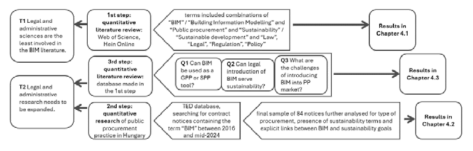
Figure 1: Thesis and methodology - the modelling procedure
(Source: Made by the Author)
To prove the first thesis (T1), a systematic review of the literature was carried out in two of the main databases, Web of Science (WOS) and HeinOnline in June 2024. While WOS is a comprehensive database covering a wide range of disciplines, including natural sciences, social sciences, arts, and humanities, HeinOnline has a rich repository of legal resources. Therefore, it was worthwhile to perform literature research in each database.
Search terms included combinations of "BIM" / "Building Information Modelling" and "Public procurement" and "Sustainability" / "Sustainable development" and "Law", "Legal", "Regulation", "Policy". Searches were filtered for peer-reviewed
- 197/198 -
articles in English between 2008 and 2024. Categorization was done based on WOS subject classifications, and duplicate or irrelevant hits were manually excluded. Data were tabulated by subject area, country of publication, and legal relevance.
To assess real-world practice and to prove T2, public procurement data from Hungary were analysed using the TED (Tenders Electronic Daily) database. A search for contract notices containing the term "BIM" between 2016 and mid-2024 was conducted. Filters excluded amendments, duplications, and irrelevant entries. The final sample of 84 notices was then further analysed for type of procurement (services vs works), presence of sustainability terms and explicit links between BIM and sustainability goals.
After data collection, quantitative evaluation was used to identify the frequency of BIM- and sustainability-related publications across disciplines and the number of Hungarian procurement notices linking BIM and sustainability.
Having scrutinized the procedures one by one with the aim of determining whether BIM technology was applied with a view to sustainability at the same time, an unfavorable result was obtained, described below in point 5. Therefore, it seems to be important to point out the T2 statement in order to assist contracting authorities in improving their priorities within PP processes.
The quantitative review of the literature was followed by qualitative analyses to answer the following emerging questions:
Accepting the general position of the literature that BIM is suitable for helping the sustainability aspects of works, three additional questions have arisen.
Q1 Can BIM be used as a GPP or SPP tool?
Q2 Can the legal introduction of BIM serve the purpose of sustainability?
Q3 What are the challenges and difficulties of introducing BIM into the PP market?
To answer these questions, the most relevant ones from the literature search results were sorted and analyzed in detail.
IV. Results
1. Literature Review
While the WOS database contains more than 2,600 publications on BIM and sustainability topics, and 137,600 adding the term sustainable development, the BIM and legal content are found in a much smaller number. Our starting set in the WOS database was formed by the combined appearance of the terms BIM and public procurement. (In terms of BIM, in addition to the abbreviation, we also accept the terms Building Information Modelling and Building Information Modelling.) The total number of hits is only 64. The first publication of this kind was published in 2013. The Management and Business categories are on the sixth and seventh place, while Law and Public Administration were left out of the top twenty and can show only one result each. Table 2 Search 1 shows the distribution of results by WOS categories in relation to the first 10 places. By countries,
- 198/199 -
Italy, China, and the UK are on the podium with 13, 10 and 8 hits, but Spain, the Czech Republic, Germany, Austria, and Poland also appear in the list.
| Search 1 WOS categories | Pcs | Search 2 WOS categories | Pcs | ||
| 1 | Engineering Civil | 25 | 1 | Engineering Civil | 100 |
| 2 | Construction Building Techno- logy | 14 | 2 | Construction Building Tech- nology | 72 |
| 3 | Environmental Sciences | 8 | 3 | Green Sustainable Science Technology | 32 |
| 4 | Green Sustainable Science Technology | 8 | 4 | Management | 31 |
| 5 | Environmental Studies | 7 | 5 | Environmental Sciences | 29 |
| 6 | Management | 7 | 6 | Engineering Industrial | 27 |
| 7 | Business | 6 | 7 | Engineering Multidisciplinary | 18 |
| 8 | Architecture | 5 | 8 | Environmental Studies | 18 |
| 9 | Engineering Multidisciplinary | 5 | 9 | Architecture | 11 |
| 10 | Remote Sensing | 4 | 10 | Business | 10 |
| 21 | Law | 1 | 13 | Economics | 5 |
| 21 | Public Administration | 1 | 13 | Law | 5 |
| 35 | Public Administration | 1 |
Table 1: Occurrence of BIM and public procurement (Search 1) or procurement (Search 2) terms in the WOS database
(Source: Made by the Author)
Given the very small number of results, the search criteria were refined. Using WOS categorization instead of the PP search term and narrowing down the BIM search term results to the Law and Law & Government WOS categories, the results are not much more favorable. The total number of results is 32; however, this includes an earlier hit from the year 2010 from the UK. Reviewing the results revealed that in many cases the authors do not use the term PP in their abstracts, but the word procurement in general, and refer to the related topics as a procurement tool, procurement law, or procurement process. Therefore, without WOS topic restrictions, starting a new search and searching for the terms BIM and procurement, a wider set of 235 results emerged. This set also included quite early hits from 2008-2010. The division of the first ten scientific fields shown in Table 2 Search 2 also changes compared to our previous search. The Business category moves further back, but the fields of Economy and Law also appear in 13th place with 5 hits each. England leads the pack with 46 appearances, followed by China (43), Australia (36), Canada (17) and Italy (16).
According to the main objective of the research, the results must be filtered to check the sustainability perspective of the publications. Using the search terms BIM and procurement and sustainability or sustainable, the set of 235 is narrowed into a set of 60 for the period between 2014-2024. None of the hits belong to WOS categories Law or Public Administration. This not very flatter-
- 199/200 -
ing result encouraged further parallel literature research on HeinOnline as well. The search base was English-language articles and reviews from the Law Journal Library. Searching by the search terms BIM and PP and sustainable, 34 hits occurred. The first publication is from 2008.
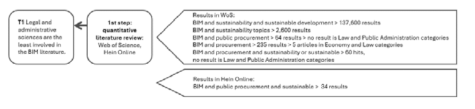
Figure 2: Results of quantitative literature review
(Source: Made by the Author)
2. Analysis of Hungarian PP Practice
After the literature review, the practice needed to be examined in the context of sustainability and BIM. Focusing on the Hungarian PP market, a really narrow but telling result emerged. The search was carried out in the TED database, among the competition notices published by Hungarian public bodies, using the search term BIM. The hit list yielded 159 announcements during the period beginning in 2016 until the research in June 2024. Duplicates (e.g., amending announcements) and incorrect search results were filtered out one by one. 75 items had to be filtered out, leaving 84 notices in which the word BIM appeared. Table 4 shows the results in an annual distribution. Among the three subjects of the PP, works, services, and supplies, only works (7) and services (77) were filtered (Table 5). Software purchases could also be involved in the topic; however, the keyword search did not bring them up, and it is feared that a more complicated multiword search would not have yielded accurate results.
| Year | 2016 | 2017 | 2018 | 2019 | 2020 | 2021 | 2022 | 2023 | -06/2024 |
| Pcs | 4 | 3 | 12 | 7 | 15 | 19 | 11 | 10 | 3 |
Table 2: Occurrence of BIM in contract notices under EU regime, distribution by year (pcs)
(Source: Made by the Author)
| Subject | Pcs |
| Services | 77 |
| Works | 7 |
Table 3: Occurrence of BIM in contract notices under EU regime, distribution by PP objects (pcs)
(Source: Made by the Author)
- 200/201 -
The search results were further narrowed to check the presence of sustainability aspects in these tenders. The set of 84 was reduced to only 12 notices, which means that 72 notices do not include the word sustainable or sustainability. Given that sustainability and GPP are hot topics today, it is certain that the contract notice would have included a reference to sustainability had it been considered by the contracting authority (CA). The set of 12 shows that the direct link between BIM and sustainability emerges only twice. The others show the following (Table 6):
| Aspect | Pcs |
| CA defines a sustainability goal specifically in relation to the BIM metho- dology. | 2 |
| The express goal of CA is to create a building that can be operated econo- mically and sustainably. | 2 |
| Task of preparation of green building certification or other sustainability plans/concepts | 7 |
| CA explains that the contract cannot be divided into lots with the aspect of sustainability. | 1 |
Table 4: Occurrence of BIM and Sustainability in Contract Notices Under the EU Regime (pcs)
(Source: Made by the Author)

Figure 3: Results of quantitative research of public procurement practice in Hungary
(Source: Made by the Author)
3. Detailed Literature Research
To support the assumption that there is a connection between the very narrow legal literature research base and the scarcity of application of BIM and sustainable aspects in public procurement, I examined in detail the WOS results in the category of law (four articles and one review), as well as the 10-10 most relevant open access articles from each of the previously established WOS and HeinOnline pools. The studies were thoroughly examined with regard to the context of their analysis, their advantages, disadvantages, characteristics, and challenges.
- 201/202 -
The first review article on the topic was published by McAdam in 2010 in the UK,[24] in which the author points out that the use of the BIM models may also raise legal issues. McAdam lists the early interpretations of BIM also on a legal basis. He remarks that the legal dimensions of BIM procurement have been a relatively neglected area until his study. McAdam did not deal with the legislative level but focused instead on specific legal questions, such as liability concerns, e.g., for the accuracy of the model and the precision of material quantities used for cost estimation. In his study, McAdam cited Gu and London,[25] who reviewed the adoption of BIM in the Australian AEC/FM sector. They highlighted that complete adoption of BIM necessitates changes in working practices, data management, and role definitions, while considering legal issues as peripheral and not fundamentally different from those in other procurement processes. According to their research, the specific legal challenges faced during BIM adoption were intellectual property (IP) issues, copyright protection, and data security issues.
Other articles (Abd Jamil and Fathi, 2018; Saad Alotaibi et al., 2024) list the legal aspects of BIM that must be worked out, e.g., intellectual property rights, data ownership, liability, and risk allocation. According to Saad Alotaibi et al.,[26] legal knowledge of BIM is essential for effective deployment from a contractual and liability perspective. Their research, which evaluated BIM adoption through interviews of AEC actors, highlighted the lack of contractual and legal empirical knowledge aspects of BIM adoption. The study evaluated contractual frameworks, dispute resolution, legal awareness, and risk management.
These studies indicate that the relationship between BIM-based procurement and higher-level policy objectives has not yet been thoroughly considered, and its advantages from the perspective of state regulation have not been examined.
The other part of the articles[27] stated that the main function of the regulations is to award public contracts in the most objective way to ensure equal treatment of tenderers and sound management of public funds. Malla et al. made a qualitative inductive study involving 12 international experts from industry and academia resulting 28 BIM dimension-specific contract provisions for helping drafting contracts and will assist stakeholders in realizing the benefits of BIM implementation.[28]
A set of articles deals with the role of contracting bodies. Authors anticipate more transparency, more comprehensive audit trails, and fewer legal disputes from BIM. Bodea and Purnus underlined some of the legal considerations of BIM adoption, especially from the aspect of procurement strategies, claims, disputes, and litigations.[29] Their paper is primarily a summary rather than a
- 202/203 -
study presenting research-backed results, listing several aspects that need to be carefully analyzed regarding the future adoption of BIM in Romania. Strong criticism from Malla et al. (2022b) who analyzed the BIM procurement process and found that the benefits of BIM implementation without a BIM-capable client is a distant dream. Malla et al.improve productivity, and promote shared under-standing among various construction project stakeholders. The benefits of BIM implementation in a construction project may remain a distant dream if there is no structured way to select a BIM-capable contractor. Existing studies have focused on identifying BIM prequalification (PQ conducted a survey with the participation of clients, contractors, consultants, and academics, which identified BIM-specific prequalification criteria to be applied in the short, medium, and long term, and recommended that these be classified as desirable rather than mandatory in the short and medium term (less than five years), because of the preparedness of stakeholders.[30]
In the context of sustainability and legal issues, the studies of Tarmigan,[31] and Doe and Healey should be taken into consideration. The construction sector harms the environment and the ecosystem in multiple ways, but on the other hand, the contractor should encourage environmentally friendly practices. In her study, Tarmigan provides an overview of current practices and challenges in relation to sustainability issues in construction contracts, using a literature review and a comparison of standard contract forms.[32] Tarmigan points out that although both PP directives and international construction contract standards make it possible to include sustainability conditions, parties often avoid these contractual terms due to legal uncertainty. This means that very well-informed and conscious costumers are needed and/or specific and enforceable performance targets must be worked out.
Doe and Healey point out that there is an increasing focus on embedding appropriate sustainability indicators in procurement processes, and BIM is also a potential tool for unlocking environmental and economic advantages.[33]
Some of the academic authors are now addressing blockchain and smart contracts that, among other benefits, will provide a remedy against disputes arising from BIM contracts that have not been developed with due care.[34]
Among the latest publications, Szafranko and Jurczak made a SWOT analysis on the advantages and disadvantages of BIM technology[35] in order to assess its potential implementation. They conducted a questionnaire-based survey among companies operating in the Polish construction market in 2021. Based on the answers of the 46 participants, the most important weaknesses were related to
- 203/204 -
legal regulations, the mental attitude of employees, and the costs due to the implementation of BIM. A limitation of the research is the relatively small number of respondents, while one of its strengths is that among the respondents, there is representation from both design and construction companies, albeit in smaller numbers. Investors, facility managers and representatives from the academic community were also included.
These are the key issues that the legislature must handle carefully and proactively prior to the introduction of mandatory implementation.
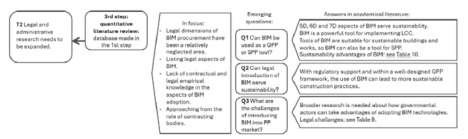
Figure 4: Results of qualitative literature research
(Source: Made by the Author)
4. Limitations
This research is limited. First, when making the quantitative search for sustainable PPs, the search results only referred to the words BIM and sustainable/ sustainability. Behind the call for tenders, procurement documents could also have yielded results, but due to the lack of accessibility and searchability of the documents, these results remained hidden. Moreover, we used only the search engine of the TED database, which includes only PPs above the higher threshold of the EU regime, and the search was narrowed for Hungarian PPs. A comparison with the PP practice of other EU member states would certainly show telling results. Second, the literature review, which is otherwise quantitative and objective, was conducted solely on the WOS and HeinOnline databases, so foreign-language articles and studies outside the scope of these databases may have remained undiscovered.
V. Discussion
BIM technology exists for more than two decades, or even more than four decades according to some interpretations, but its implementation in construc-
- 204/205 -
tion processes differs from country to country, market to market, and also between AEC companies or clients. The USA has been a world leader since 2007. In 2011, the UK government also introduced its implementation strategy, followed by mandatory implementation for major public works from 2016, as reviewed by Besné et al.[36] Alongside the UK, Norway, Denmark, and Finland are pioneers in Europe. As the European Parliament recognized that PP is the main driver for economic growth, and digital transformation is underway, the European PP Directives 2014/23/EU and 2014/24/EU opened the way to the use of electronic tools, such as BIM, in public works contracts. It shows that not only the AEC sector, but also public buyers are showing an increasing interest in BIM.
The benefits of BIM are well recognized, including its potential to help public bodies reduce project costs, increase productivity and quality, shorten delivery times, and promote economic sustainability.[37] The long-term and comprehensive advantage of BIM lies in its ability to connect the entire life cycle of the project and provide clients with data for subsequent operation, sustainable maintenance, demolition, and destruction phases as well. Without using these benefits, the customer cannot realize the full potential of BIM.
Following a thorough literature review, the three questions outlined above can now be addressed. The answer to Q1 can be logically deduced from the definition of GPP/SPP and the levels and benefits of BIM. Level 5 BIM (5D) adds cost estimation, budget analysis, and budget tracking to the information model. 6D provides data for maintenance, while sustainable development and optimal energy consumption belong to the seventh level (7D).[38] The expected levels and also the sustainability criteria should be included in the tender documents and among the awarding criteria. The contractor should reward additional sustainability commitments, such as using durable materials, sustainable construction technologies, maximizing resource reuse, low-energy appliances, etc.[39]
Popovychenko et al. considered BIM a powerful tool for implementing the concept of Life-Cycle Costing (LCC), and its potential use as a tool for SPP has been demonstrated in this study (Q1).[40]
As BIM improves service delivery, there may be a proportionately higher fee for services. Similarly, sustainable solutions often have a higher purchase cost. At the same time, the models have significant value for public bodies, and the sustainability resolution can be proven by LCC.[41]
In general, the legal literature on BIM focuses on legal and contractual issues and challenges, rather than on broader legislative aspects. To achieve a successful introduction, the legislature should consider the following: the positive
- 205/206 -
effects and benefits of BIM must be emphasized and effectively promoted. In agreement with Saad Alotaibi et al., there is a need for clear and comprehensive legislative regulation.[42] In long and multi-actor construction projects, stakeholders and AEC companies have different interests and economic power. Since their strategies are risk-averse and profit-maximizing, resource- and labor-intensive BIM and sustainability aspects may easily be deprioritized when their economic benefits are not immediately apparent and project risk allocation remains unclear. Therefore, it is essential to develop a BIM contractual framework to avoid disputes.[43] From the point of view of this article, the recommended BIM contractual framework must be supplemented with a BIM PP framework that helps public buyers develop a competition-neutral and enforceable PP that also promotes sustainable efforts.
Due to some authors like Jobidon et al.[44] or Sacks et al.,[45] the ineffective structure of the tendering process and the rigidity of adjudication criteria are among the primary legal and procedural barriers hindering the full and efficient implementation of BIM in public infrastructure projects. The rules and regulations aim to encourage healthy competition. Fair treatment of tenderers must be unquestionable, and, in addition, qualified tenderers must gain opportunities to compete as well. Through education, support, and financial aid, for example, for software purchases, SMEs can be successful participants rather than barriers to BIM procurement, the aim of which is not to exclude the SME sector, but rather to include it in the spirit of sustainability.
Legal challenges of BIM in public procurements are summarized in Table 9.
- 206/207 -
| Aspect | Requirement |
| Selection criteria | must guarantee equal opportunities |
| Criteria relating to techni- cal and professional ability | must be competition-neutral, providing equal, fair treatment, non-discrimination, and proportionality |
| Technical specifications | must be clear and precise, must be up to date, need to allow public procurement to be open to competition, must be verifiable and traceable, must provide access opportunities for SMEs |
| Contractual conditions | must be created with foresight, ensuring that BIM methodology must be used not only in the design and/or building phase but also in the entire life cycle of the project, and ensures the cooperation of all project actors (i.e. different services and works procured in various public procurement procedures work together). |
| IP and copyright | Acknowledgement of IP is important from the point of view of intellectual creation (design), but it should not be an obstacle to the subsequent utilization, revision, and expansion of the BIM model and data during the whole life cycle. |
| Liability and warranty issues | related to the data to be included in the BIM model and their processing must be regulated. |
Table 5: Legal challenges of BIM in public procurements
(Source: Made by the Author)
It has become increasingly evident that optional legal regulations related to GPP are not sufficient to create sustainable public works. The EU's initiative to establish a 50% GPP target has not been fully reflected in the practices of its institutions. This inconsistency highlights the urgent need for a more robust commitment and possibly the introduction of mandatory measures to enhance GPP practices across member states. Such steps could ensure that the EU leads by example, effectively promoting sustainability within PP. Several factors contribute to this conclusion, including implementation gaps. The voluntary nature often results in inconsistent application across different regions and sectors. Another reason is the lack of enforcement by contracting bodies, as well as economic and social barriers, including the perception that sustainable products are more expensive and insufficient access to information. Sustainable public procurement requires a strategic approach that integrates environmental, economic, and social objectives into the PP process. Reports from organizations like the United Nations and the European Commission highlight that, while there is recognition of the importance of sustainable procurement, actual implementation remains limited.
- 207/208 -
A stronger legal framework, possibly including mandatory requirements, is needed to increase the effectiveness of GPP.
One of this tool could be BIM. (Q2)
| Sustainability advantages of BIM |
| • Modelling of energy consumption, carbon emissions, and other environmental impacts during design and construction processes |
| • Optimization of materials and resources, promoting the decrease in carbon emission |
| • Promoting green building design, construction and management |
| • Optimization of the construction cycle with better scheduling and cost management, environmental burdens and energy consumption can be reduced during the construc- tion process. |
| • Reducing waste and excessive material usage during construction and maintenance |
| • Sharing building information and improve collaboration among project actors, en- abling sustainability goals to be achieved more effectively, improving design and con- struction efficiency and promoting productivity |
| • Monitoring performance and environmental impact |
| • Monitoring building energy efficiency through controlling energy use |
| • Sustainable maintenance and operation, reducing cost and long-term environmental impacts |
| • Using Life Cycle Assessment (LCA) methods within the model, providing life cycle analysis for materials, devices and equipment |
| • e.g. lightning, cooling-heating, water use etc. |
| • Increasing lifespan of buildings and utilities |
| • Enhancing project safety |
| • Enhancing health performance |
| • Providing data for demolition or for reusing building materials and structures, |
| • thereby increasing circular material use |
| • Providing data for subsequent redesign and reconstruction, thereby increasing pro- ductivity and efficiency |
| • Enhancing the brand image of construction sector |
| • Setting an example and shaping attitudes for other investors |
Table 6: Sustainability advantages of BIM
(Source: Made by the Author)
Overall, it can be stated that despite the fact that BIM and sustainability have a broad scientific literature, the legal issues of BIM and BIM procurement have been considered peripheral.[46] This is also proven by the results of the literature
- 208/209 -
review in point 5 (T1). Consistent with the findings of the reviewed literature, a broader range of specific case studies and empirical investigations could assist countries and governments planning to introduce BIM in developing appropriate implementation strategies (T2). It is not necessary to invent an entirely new approach. Since several EU member states have already gained considerable experience in BIM implementation, their best practices and lessons learned may also be incorporated into the legislative process.
The actuality of the study lies in the fact that the Hungarian legislature intends to introduce BIM in stages, initially with mandatory application for large public building projects. In contrast, the implementation of SPP has not yet reached the desired level. In neighbouring Central and Eastern European countries, particularly Romania and Poland, as well as Estonia in the Baltic region, the mandatory introduction of BIM is also on the legislative agenda.
Despite critical comments, the purpose of this paper is not to reject the implementation of BIM, but rather to propose the introduction of BIM from a sustainability perspective. In this sense, this study serves as a starting point for further research, in which a more detailed examination of the legal and other issues raised here can be developed.
In Hungary, at the time of writing this manuscript, both GPP and BIM were optional and not mandatory in PPs. After a quite urgent consultation of AEC stakeholders, especially chamber representatives, with very strong and determined legislative intentions, the transformation of construction legislation has also affected the introduction of BIM. The mandatory use of GPP tools was also introduced almost in parallel. The intention behind writing the article at the time of conducting the above survey was to explore how the implementation of BIM incorporates practices and approaches that, by connecting the two topics, effectively support the enforcement of sustainability policy objectives. Although from a legislative perspective this paper is somewhat delayed, the lessons learned remain important and can be forward-looking in the phased implementation.
In summary, although BIM technology has existed for decades, its adoption varies globally. Pioneering countries, EU regulations such as the PP Directives, and scientific studies have demonstrated BIM's potential to enhance public procurement through improved sustainability, and highlighted the sustainability benefits of BIM listed in Table 10. However, clear legislation, standardized frameworks, and support for SMEs are needed to ensure fair competition and maximize the lifecycle benefits of BIM.
- 209/210 -
VI. Conclusions
The following lessons can be drawn from the reviewed literature and the present study.
BIM has several benefits, including improved cooperation, better visualisation, faster project completion, cost saving, and providing data for sustainable maintenance. These well-researched topics stand against the legal aspects of BIM procurement, which have remained a relatively unexplored field. Based on literature review, this article confirms that legal and administrative sciences are the least involved in the BIM literature (T1) and that research in these fields must be expanded (T2).
Public bodies committed to sustainability must use various tools, including LCC, SPP, as well as BIM. The article presented that the opportunities and tools of BIM are suitable for sustainable buildings and works, so BIM can also be a tool for SPP (Q1 and Q2). For achieving this goal, 5D, 6D and 7D aspects of BIM must be considered and translated into technical specification of the public procurement.
This paper points out that broader research is required to promote and encourage legislation and governmental actors to take advantage of BIM's sustainability benefits (Q3). Thoroughly analyzed case studies in the domestic or regional (EU) legal environment are necessary to translate practical experience into legal language. Comparative analyses can also support legislation in identifying best practices and lessons learned.
This study is particularly relevant from two perspectives. First, the EU and its member states must find, develop and apply all possible tools to achieve sustainability goals. One such tool could be the use of BIM for sustainability purposes. Secondly, Hungary has initiated the mandatory introduction of BIM concerning the largest public construction investments. However, the legal and policy objectives and specific regulations currently do not include sustainability considerations.
It is recommended to begin the regulatory process by examining the relevant literature and the experiences of advanced countries. Implementing mandatory measures may be counterproductive. The studies cited above generally urge patience, focusing on less developed areas of law and the expected problems of legal application, primarily drawing attention to contractual, liability, and copyright issues, and much less attention to BIM procurement and mandatory adoption.
On a medium- to long-term basis, competitive advantage, cost reduction, and time reduction should be more visible to promote the acceptance of BIM for SPP. It is essential to note that BIM can provide significant support for sustainable design practices, making building construction and maintenance more rational and efficient. It is learned that the application of LCA can indeed be integrated with the BIM methodology within the SPP frameworks. By addressing these challenges through collaboration, training, and regulatory support, procure-
- 210/211 -
ment, lawmakers, and market players can better harness the potential of LCA and BIM within GPP frameworks, ultimately leading to more sustainable construction practices. With a very precisely developed BIM contractual framework and SPP framework, and a thoughtful regulation ensuring that the two frameworks really work together, the mandatory introduction of BIM can be successful and serve sustainability goals.
Citation (MLA)
Szabó, Kinga. "To regulate or not to regulate? The impact of Building Information Modelling (BIM) on sustainability in public procurement from a legal perspective." Jog-Állam-Politika: Jog- és politikatudományi folyóirat, vol. 18, no. 2, 2026, pp. 189-213. https://doi.org/10.58528/JAP.2026.18-2.189.
References
• Abd Jamil, Azrita and Mehran Fathi. "Contractual Challenges for BIM-based Construction Projects: A Systematic Review." Built Environment Project and Asset Management, vol. 8, 2018, pp. 372-85. https://doi.org/10.1108/BEPAM-12-2017-0131.
• Al Aamri, Ali M. S., Hercules Evdorides, and Charalampos Baniotopoulos. "Barriers and Opportunities for the Adoption of Building Information Modelling in the Design of Buildings: Case Study of Oman." Sustainability, vol. 17, 2025, p. 3510. https://doi.org/10.3390/su17083510.
• Alhusban, Mohammad, Faris Elghaish, Mohamad Hosseini, and Mohammed Mayouf. "Revamping Established Project Procurement Approaches to Support BIM Implementation." Smart and Sustainable Built Environment, 2024. https://doi.org/10.1108/SASBE-05-2023-0134.
• Aziminezhad, Mohammad and Rahmat Taherkhani. "BIM for Deconstruction: A Review and Bibliometric Analysis." Journal of Building Engineering, vol. 73, 2023, p. 106683. https://doi.org/10.1016/j.jobe.2023.106683.
• Badell, Didac and Joan Rosell. "Are EU Institutions Still Green Actors? An Empirical Study of Green Public Procurement." Journal of Common Market Studies, vol. 59, 2021, pp. 155572.
• Begić, Hajrudin and Mario Galic. "A Systematic Review of Construction 4.0 in the Context of the BIM 4.0 Premise." Buildings, vol. 11, 2021, p. 337. https://doi.org/10.3390/buildings11080337.
• Besné, Ainhoa, María Ángeles Pérez, Silvia Necchi, Ernest Peña, David Fonseca, Isidro Navarro, and Ernest Redondo. "A Systematic Review of Current Strategies and Methods for BIM Implementation in the Academic Field." Applied Sciences, vol. 11, 2021, p. 5530. https://doi.org/10.3390/app11125530.
• Bodea, Constanta and Adrian Purnus. "Legal Implications of Adopting Building Information Modeling (BIM)." Juridical Tribune / Tribuna Juridica, vol. 8, 2018, pp. 63-72.
• Chen, Xuan, Alice Chang-Richards, Alessandro Pelosi, Yan Jia, Xiaocheng Shen, Mohsin Siddiqui, and Nan Yang. "Implementation of Technologies in the Construction Industry: A Systematic Review." Engineering Construction and Architectural Management, vol. 29, 2022, pp. 3181-209. https://doi.org/10.1108/ECAM-02-2021-0172.
- 211/212 -
• Doe, John and Timothy Healey. "Charting a New Course towards Sustainable Construction." Construction Law International, vol. 16, 2021, pp. 21-27.
• "Global Public Procurement Database: Share, Compare, Improve!" World Bank, 23 Mar. 2020. www.worldbank.org/en/news/feature/2020/03/23/global-public-procure-ment-database-share-compare-improve. Accessed 15 June 2024.
• Gu, Ning and Kerry London. "Understanding and Facilitating BIM Adoption in the AEC Industry." Automation in Construction, vol. 19, 2010, pp. 988-99. https://doi.org/10.1016/j.autcon.2010.09.002.
• Jobidon, Gabriel, Pierre Lemieux, and Robert Beauregard. "Building Information Modeling in Quebec's Procurement for Public Infrastructure: A Case for Integrated Project Delivery." Laws, vol. 10, 2021. https://doi.org/10.3390/laws10020043.
• Malla, Vamshi, Murali Jagannathan, and Venkatesh Delhi. "Identification of BIM Dimension-Specific Contract Clauses in EPC Turnkey Projects." Journal of Legal Affairs and Dispute Resolution in Engineering and Construction, vol. 14, 2022. https://doi.org/10.1061/(ASCE)LA.1943-4170.0000512.
• Malla, Vamshi, Murali Jagannathan, Venkatesh Delhi, and Beena Nair. "BIM-Specific Prequalification Criteria in Construction Projects: Exploring the Nature and Timeline of Their Inclusion." Journal of Legal Affairs and Dispute Resolution in Engineering and Construction, vol. 14, 2022. https://doi.org/10.1061/(ASCE)LA.1943-4170.0000540.
• Matos, Bruno C., Carlos O. Cruz, and Fernando B. Branco. "Digitalization and Procurement in Construction Projects: An Integrated BIM-based Approach." Journal of Information Technology in Construction (ITcon), vol. 29, 2024, pp. 400-23. https://doi.org/10.36680/j.itcon.2024.019.
• McAdam, Bill. "Building Information Modelling: The UK Legal Context." International Journal of Law in the Built Environment, vol. 2, 2010, pp. 246-59. https://doi.org/10.1108/17561451011087337.
• Omotayo, Temitope, Ali Murat Tanyer, Jack Deng, Amaka Kaima, Ayodeji Akponeware, Murat K. Pekericli, Saiful Shikder, and Micheal Ogunnusi. "Advancing AI-Powered BIM for Circularity in Construction in the UK and Turkiye: State-of-the-Art Review and Capability Maturity Modelling." Buildings, vol. 15, 2025, p. 1224. https://doi.org/10.3390/buildings15081224.
• Palachuk, Gregory F. The New Decade of Construction Contracts: Technological and Climate Considerations for Owners, Designers, and Builders. 2020.
• Popovychenko, Iryna, Denys Levchinskiy, and Olesia Kirnos. "Cost Management of the Life Cycle of Real Estate Objects: Experience, Problems and Solutions." Journal of International Legal Communication, vol. 9, 2023, pp. 67-80.
• Porwal, Atul and Kasun Hewage. "Building Information Modeling (BIM) Partnering Framework for Public Construction Projects." Automation in Construction, vol. 31, 2013, pp. 204-14. https://doi.org/10.1016/j.autcon.2012.12.004.
• "Purchase for Impact - How Procurement and Public Spending Can Accelerate Development." European Commission, 28 Nov. 2023. www.green-business.ec.europa.eu/news/purchase-impact-how-procurement-and-public-spending-can-accelerate-development-2023-11-28_en. Accessed 15 June 2024.
• Reizgevičius, Marius, Leonas Ustinovičius, Daiva Cibulskienè, Vida Kutut, and Lukasz Nazarko. "Promoting Sustainability through Investment in Building Information Modeling (BIM) Technologies: A Design Company Perspective." Sustainability, vol. 10, 2018, p. 600. https://doi.org/10.3390/su10030600.
• Rugina, Cristiana R. "Smart Contacts Technology and Avoidance of Disputes in Construction Contracts." Lex et Scientia International Journal, vol. 28, 2021, pp. 30-46.
- 212/213 -
• Saad Alotaibi, Bandar, Ahmed Waqar, Dorin Radu, Athar Khan, Yakubu Dodo, Fahad Althoey, and Hamad Almujibah. "Building Information Modeling (BIM) Adoption for Enhanced Legal and Contractual Management in Construction Projects." Ain Shams Engineering Journal, vol. 15, 2024, p. 102822. https://doi.org/10.1016/j.asej.2024.102822.
• Sacks, Rafael, Mark Girolami, and Ioannis Brilakis. "Building Information Modelling, Artificial Intelligence and Construction Tech." Developments in the Built Environment, vol. 4, 2020, p. 100011. https://doi.org/10.1016/j.dibe.2020.100011.
• Silva, Maria J. F., Fernando Salvado, Pedro Couto, and Álvaro V. e Azevedo. "Roadmap Proposal for Implementing Building Information Modelling (BIM) in Portugal." Open Journal of Civil Engineering, vol. 6, 2016, pp. 475-81. https://doi.org/10.4236/ojce.2016.63040.
• Szafranko, Elzbieta and Marta Jurczak. "Implementability of BIM Technology in Light of Literature Studies and Analyses of the Construction Market." Sustainability, vol. 16, 2024. https://doi.org/10.3390/su16031083.
• Tarmigan, Ana-Loredana. "Sustainability Challenges in Construction Contracts as a Regular Issue of International Investments." International Investment Law Journal, vol. 3, 2023, pp. 41-48.
• Volk, Rebekka, Julian Stengel, and Frank Schultmann. "Building Information Modeling (BIM) for Existing Buildings - Literature Review and Future Needs." Automation in Construction, vol. 38, 2014, pp. 109-27. https://doi.org/10.1016/j.autcon.2013.10.023.
• Wildenauer, Albert A. "Critical Assessment of the Existing Definitions of BIM Dimensions on the Example of Switzerland." International Journal of Civil Engineering and Technology (IJCIET), vol. 11, 2020. https://doi.org/10.34218/IJCIET.11.4.2020.012. ■
NOTES
[1] Phd candidate, Széchenyi István University Doctoral School of Law and Political Sciences; drkingaszabo@gmail.com, szabo.kinga3@sze.hu. MTMT: 10081267 * https://orcid.org/0000-0003-2610-9947.
[2] The World Bank, 2020.
[3] European Commission, 2024.
[4] See European Commission, 2023.
[5] See Badell - Rosell, 2021.
[6] Badell - Rossel, 2021.
[7] McAdam, 2010.
[8] Besné et al., 2021.
[9] Wildenauer, 2020.
[10] Szafranko - Jurczak, 2024.
[11] Reizgevičius et al., 2018.
[12] Szafranko - Jurczak, 2024.
[13] E.g. the above mentioned Reizgevičius et al., 2018; Szafranko - Jurczak, 2024.
[14] See Volk et al., 2014.
[15] Begić - Galić, 2021.
[16] Begić - Galić, 2021.
[17] Aziminezhad - Taherkhani, 2023.
[18] See Moses, 2007.
[19] Sidorenko - von Arx, 2020.
[20] Chen et al., 2020.
[21] Matos et al., 2024.
[22] Alhusban et al., 2024.
[23] See Al Aamri et al., 2025.
[24] McAdam, 2010.
[25] Gu - London, 2010.
[26] Alotaibi, 2024.
[27] Malla et al, 2022a; Malla et al., 2022b.
[28] Malla et al., 2022a.
[29] Bodea - Purnus, 2018.
[30] Malla et al., 2022b.
[31] Tarmigan, 2023; Doe - Healey, 2021.
[32] Tarmigan, 2023.
[33] Doe - Healey, 2021.
[34] See, for example, Palachuk, 2020; Rugina, 2021.
[35] See Szafranko - Jurczak, 2024.
[36] Besné et al., 2021.
[37] Silva et al., 2016.
[38] Szafranko - Jurczak, 2024.
[39] Tarmigan, 2023.
[40] See Popovychenko et al., 2023.
[41] Powrwal - Hewage, 2013.
[42] See Saad Alotaibi et al., 2024.
[43] Abd jamil - Fathi, 2018.
[44] Jobidon et al., 2021.
[45] Sacks et al., 2020.
[46] McAdam, 2010.
Lábjegyzetek:
[1] A szerző PhD-hallgató, Széchenyi István Egyetem. A Széchenyi István Egyetem Állam- és Jogtudományi Doktori Iskolájának PhD-hallgatója. Kutatásában az állami beavatkozás lehetőségeit vizsgálja a fenntarthatóság jegyében és a közbeszerzések területén, különös tekintettel az építésgazdasági vonatkozásokra. Szakmai tapasztalatai - kutatási területéhez hasonlóan - az állami vagyongazdálkodás, a közbeszerzési jog, az építésgazdaság fenntartható és digitális átállása, továbbá a fenntarthatóság területein összpontosulnak. drkingaszabo@gmail.com